


- Interior Design Styles & Trends
- Garden & Outdoor Living
- Luxury Home Gifts
- Furniture
- Coffee Tables
- Side Tables
- Luxury Armchairs
- Luxury Sofas
- Luxury Cabinets & Storage Furniture
- Console Tables
- Dining Tables
- Dining Chairs
- Luxury Bar Stools
- Stools, Pouffes & Benches
- Ceramic Stools
- Bedside Tables & Cabinets
- Dressing Tables
- Shelving Units & Bookcases
- Desks
- Bar Cabinets
- Bar Carts & Drinks Trolleys
- Plinths & Pedestals
- Decorative Room Dividers
- Furniture by Material
- Furniture by Room
- Luxury Home Accessories
- Luxury Lighting
- All products
- K&B London Gold Label
- New arrivals
- Sale
Why K&B? London
We select furniture, lighting and decorative pieces distinguished by sculptural form and considered finishes
Our collections are curated for cohesive interiors with individual character, far removed from mass-market design
Filters
Vendor
Price
-
from
To
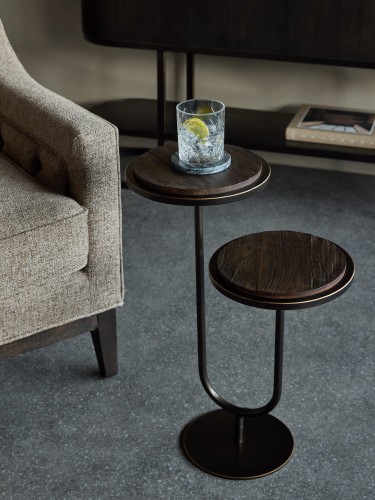
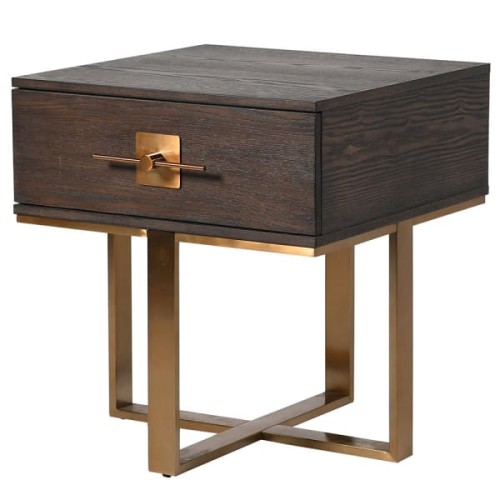
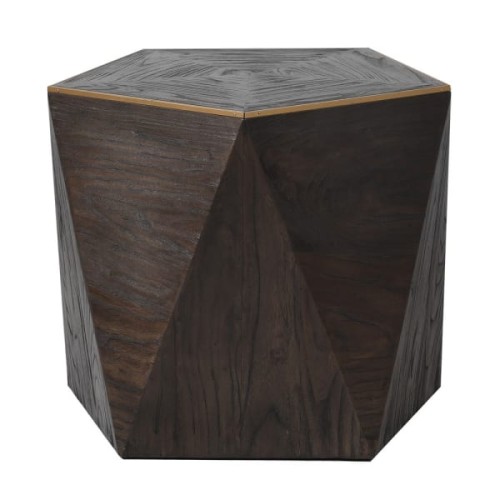
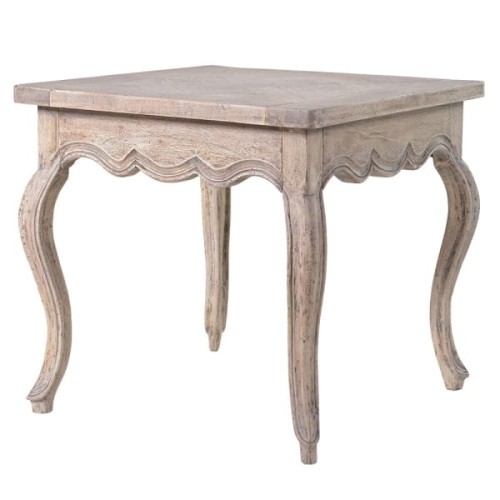
Discover our collection of wooden side tables, selected for the character of their grain, considered proportions and distinctive material combinations. From reclaimed oak and elm to mango wood, acacia and refined veneered designs, each piece brings warmth, texture and an individual accent beside a sofa or armchair.


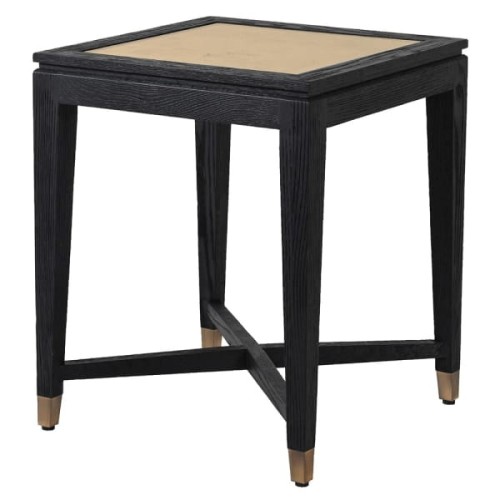 Zelten Black Oak Side Table with Glass-Encased Rattan Detailing, 50 x 61.5cm
£678.00

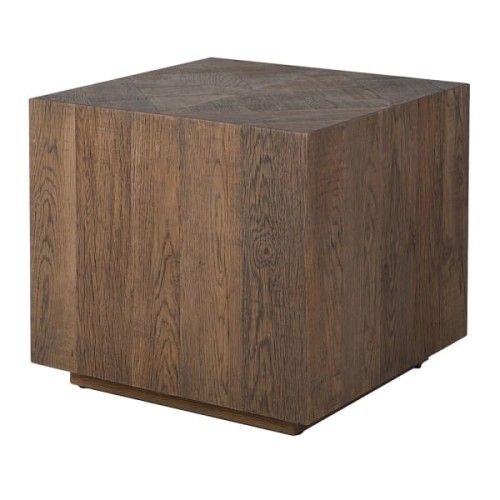


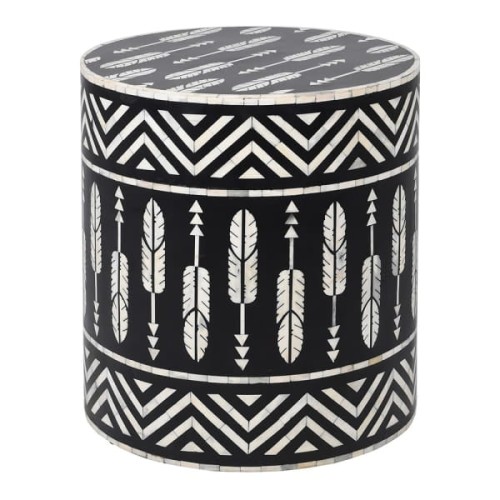
 Kinnerton Side Table 46 cm round white and black stripes bone inlay mango wood
£658.00
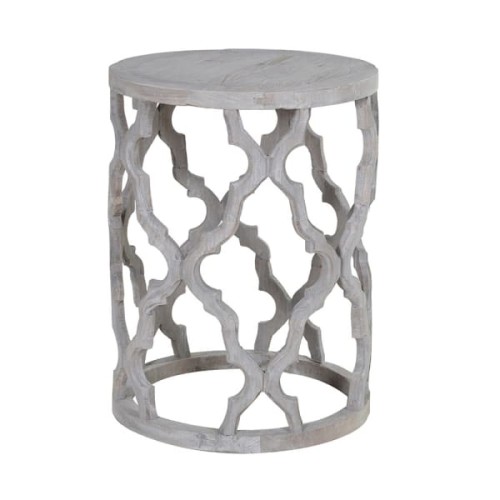
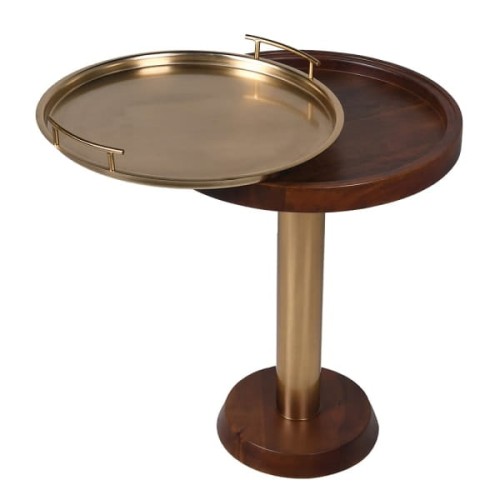


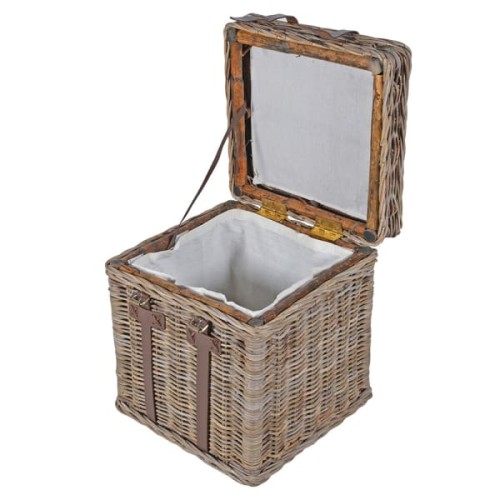
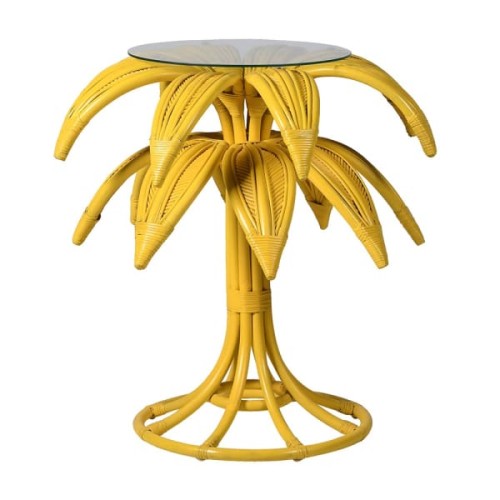
Luxury Wooden Side Tables with Natural Character
A wooden side table brings warmth, grain and material depth to a seating area while offering a compact surface beside a sofa or armchair. The character of each piece depends not simply on the colour of the timber, but on its species, grain, finish, construction and the way it is combined with other materials.
At K&B London, our collection of luxury wooden side tables includes designs in reclaimed oak, reclaimed elm, mango wood, acacia and other timbers, alongside refined veneered and mixed-material pieces. From restrained natural finishes to darker woods, decorative inlay and metal detailing, each table is selected for its proportions, surface character and presence within the room.
Oak Side Tables
Oak is valued for its distinctive grain and visual depth. Depending on the finish, an oak side table can feel pale and understated, richly textured or more architectural.
Reclaimed oak introduces additional variation through changes in tone, grain and surface markings, giving individual pieces a less uniform and more characterful appearance.
Explore our wider collection of luxury wooden furniture.
Reclaimed Wood Side Tables
Reclaimed wood side tables are defined by the character of timber that has already had a previous life. Variations in grain, colour, knots, texture and surface markings are an inherent part of the material and help make individual pieces distinct.
Reclaimed oak, pine and elm can bring particular depth to compact occasional tables, especially when paired with more refined upholstery, glass or metal.
Discover our collection of reclaimed wood furniture.
Mango Wood and Acacia Side Tables
Mango wood and acacia offer rich grain, tonal variation and a tactile natural surface. Depending on the finish, these timbers can work in both restrained and more decorative designs.
They pair particularly well with antique gold, brass-toned metal, black iron and glass, allowing a small side table to connect several materials already present within the interior.
Wood and Metal Side Tables
Combining wood with metal creates a balance between natural warmth and architectural definition. Iron, stainless steel and antique metallic finishes can give timber a more structured appearance while keeping the grain and texture of the wood visible.
A substantial wooden top with a fine metal base can feel visually lighter, while darker or more sculptural frames create stronger contrast.
Explore our wider collection of metal side tables.
Wood and Glass Side Tables
Glass allows wooden structures, woven inserts and decorative detailing to remain visible while adding a lighter surface above them. This combination is particularly effective where the material character of the base is intended to be part of the design.
Clear glass creates the most open appearance, while smoked or darker glass can add greater depth and contrast.
Discover our glass side tables.
Wood, Rattan and Decorative Inlay
Wooden side tables do not need to rely on timber alone. Rattan, woven detailing and decorative inlay can introduce additional texture and pattern while retaining wood as an important structural or visual material.
These details work particularly well where the room combines natural fibres, upholstered furniture and more refined finishes, creating a layered rather than perfectly matched interior.
Round Wooden Side Tables
Round wooden side tables soften the straight lines of sofas, cabinetry and architectural furniture. Their curved outline makes them particularly easy to position beside armchairs and in seating arrangements where comfortable movement around the furniture is important.
A round top also gives the grain and finish of the timber greater visual prominence, especially in pedestal and sculptural designs.
Wooden Side Tables for Sofas and Armchairs
Proportion should be the starting point when selecting a side table. The tabletop will usually work best around the height of the sofa or armchair arm, or slightly below it, while the overall diameter or width should relate to the scale of the seating.
A substantial wooden table can provide a strong material accent beside a large sofa, while a finer mixed-material design may be more appropriate where the surrounding furniture already has significant visual weight.
Explore our complete collection of luxury side tables.
Single Wooden Side Tables and Coordinated Sets
A single wooden side table works well where one distinctive accent is needed beside a sofa or armchair. Coordinated sets provide greater flexibility and can be positioned around different seating areas or grouped together as a layered arrangement.
Discover our single side tables and sets of side tables.
Can a Wooden Side Table Be Used Beside a Bed?
Selected side tables can work beside a bed where a lighter alternative to a conventional bedside cabinet is preferred. Before using one in this way, consider the height of the mattress, available surface area and whether storage is required.
For designs with drawers, shelves and dedicated bedroom storage, explore our bedside tables and cabinets.
Natural Variation in Wooden Side Tables
Natural wood can vary in grain, colour, knots and surface texture. These variations are part of the material and mean that individual pieces may not appear completely identical.
Reclaimed timber can show even greater variation, including tonal changes, marks and irregularities associated with its previous use. Veneered and decorative inlay surfaces have different characteristics, so the individual product specification should always be reviewed for the exact material and construction.
How to Style a Wooden Side Table
Wood already introduces texture and pattern, so decorative styling can remain restrained. A table lamp, sculptural object, vase or short stack of books is often sufficient to complete the arrangement.
Consider contrast rather than exact matching. Timber beside marble, glass or metal can create greater depth than repeating the same material throughout the entire room.
Caring for Wooden Side Tables
Use a soft, dry or slightly damp cloth for routine cleaning and avoid leaving moisture on the surface. Protect the table from prolonged heat and liquid exposure, and avoid abrasive products that may damage the finish.
Care requirements can differ between solid timber, reclaimed wood, veneer, decorative inlay and mixed-material designs, so always follow the guidance provided for the individual product.
Wooden Side Tables for a Considered Interior
A wooden side table is most successful when its grain, scale and finish relate naturally to the wider room. Rather than matching every wooden element exactly, use tone and texture to create a deliberate connection between furniture pieces.
Pair your chosen design with luxury sofas, luxury armchairs or explore our wider collection of luxury living room furniture.
Wooden Side Tables – FAQs
Are all wooden side tables made from solid wood?
No. The collection includes solid timber, reclaimed wood, veneered surfaces and mixed-material designs. Always check the individual product specification for the exact construction and materials used.
Does natural wood vary from table to table?
Yes. Grain, colour, knots and surface character can vary naturally between pieces. Reclaimed timber may show even greater variation as a result of its previous use.
What height should a wooden side table be?
As a general guide, the tabletop should sit around the height of the sofa or armchair arm, or slightly below it. The ideal height depends on the proportions of the seating and how the table will be used.
How should I care for a wooden side table?
Use a soft cloth for routine cleaning, wipe moisture promptly and avoid abrasive products or prolonged exposure to heat and liquids. Follow the care instructions provided for the specific timber and finish.
