


- Interior Design Styles & Trends
- Garden & Outdoor Living
- Luxury Home Gifts
- Furniture
- Luxury Home Accessories
- Sculptures & Ornaments
- Flower Vases
- Mirrors
- Indoor Planters
- Large Decorative Accessories
- Wall Decor
- Clocks
- Storage
- Luxury Desk Accessories
- Decorative Games
- Gold Home Accessories
- Silver Home Accessories
- Soft Furnishing
- Platters & Serving Stands
- Decorative Bowls
- Decorative Bookends
- Ceramic Home Accessories
- Barware
- Decorative Trays
- Tableware
- Hurricane Candle Lanterns
- Candle Holders & Candelabras
- Artificial Flowers & Plants
- Other Home Accessories
- Rugs
- Christmas Decorations & Festive Home Accessories
- Luxury Lighting
- All products
- K&B London Gold Label
- New arrivals
- Sale
Why K&B? London
We select furniture, lighting and decorative pieces distinguished by sculptural form and considered finishes
Our collections are curated for cohesive interiors with individual character, far removed from mass-market design
Filters
Vendor
Price
-
from
To
Explore ceramic and stoneware vases selected for their sculptural form, texture and material character. Discover matt, glazed, textured and colourful designs for console tables, sideboards, dining tables and living rooms, from compact decorative pieces to larger statement vases.
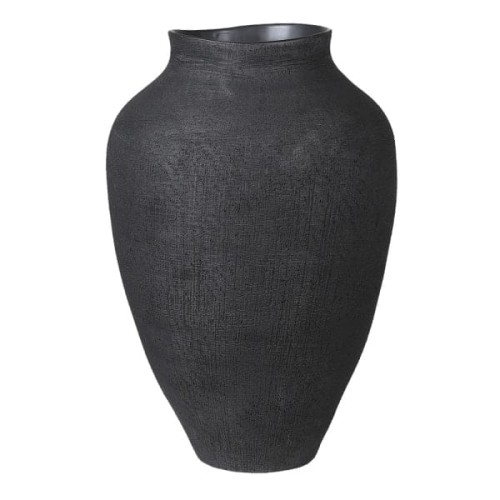
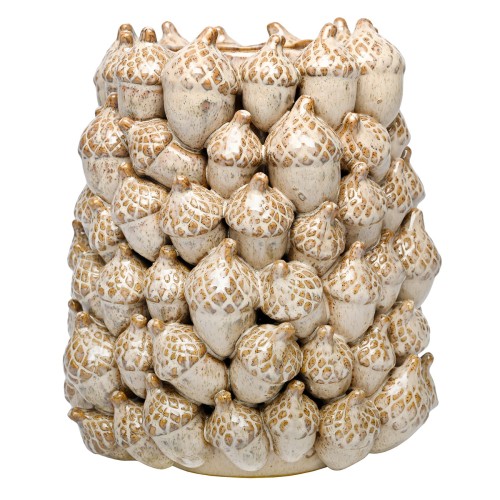
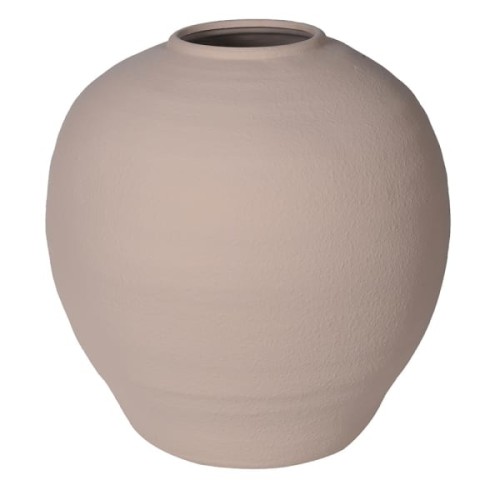
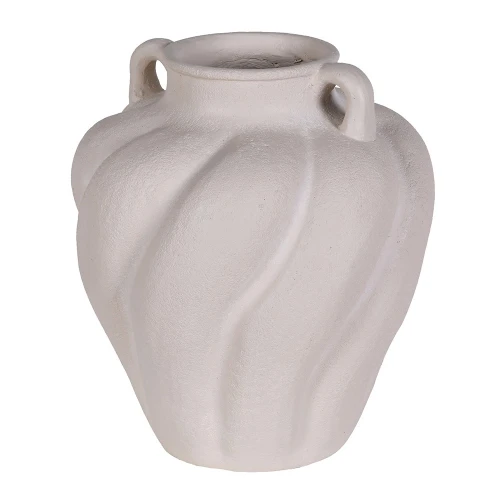
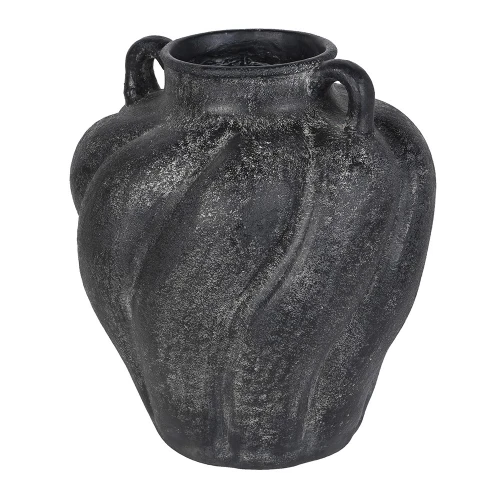
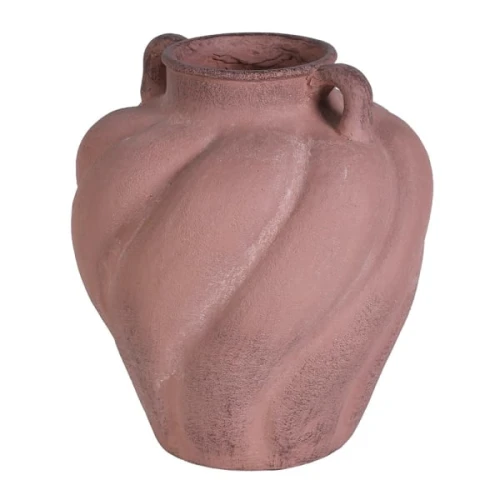
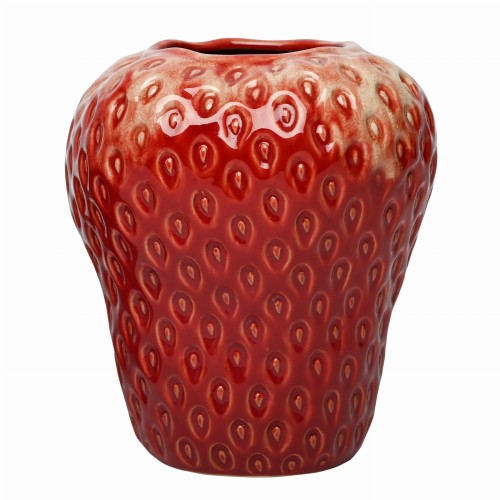
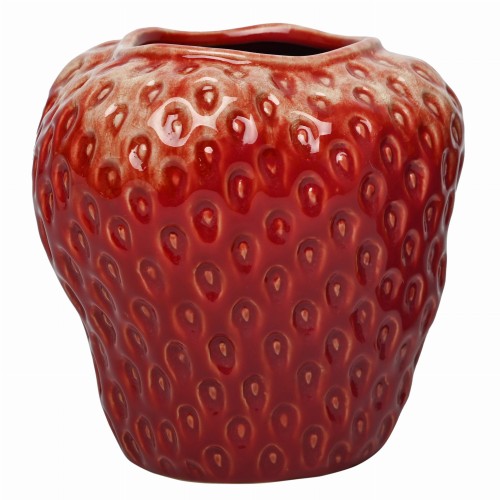
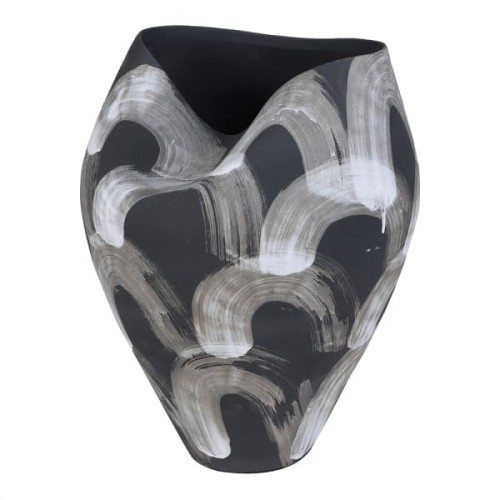

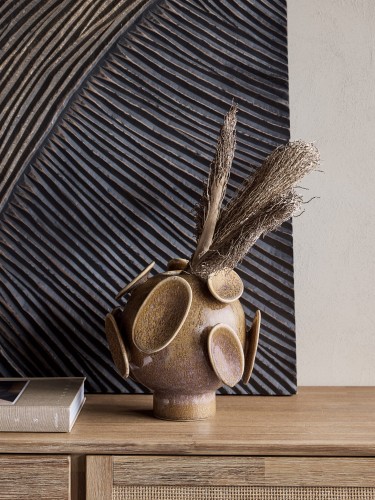
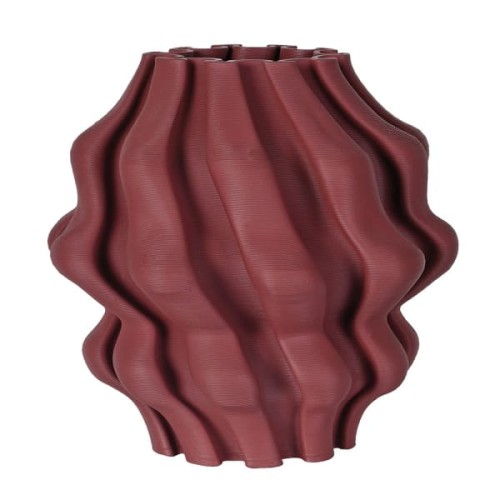
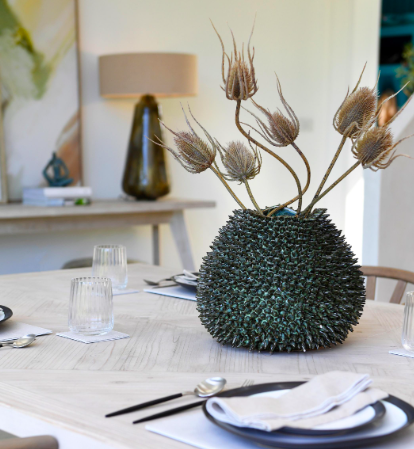
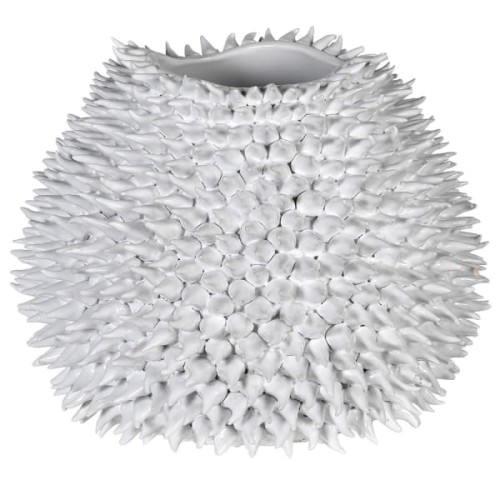
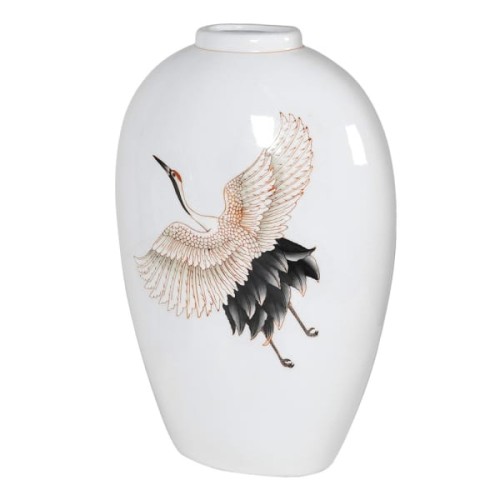
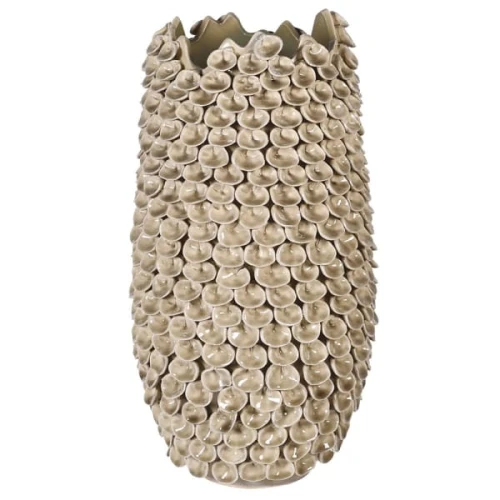
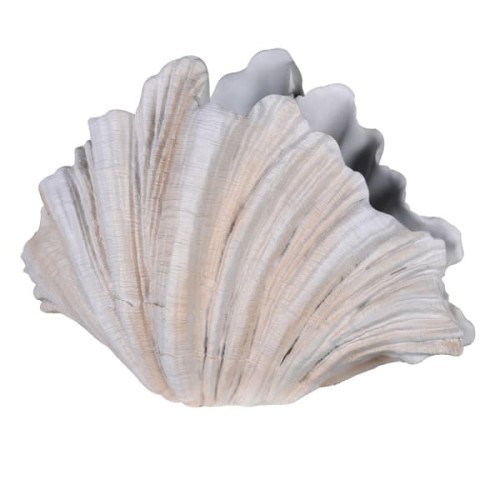
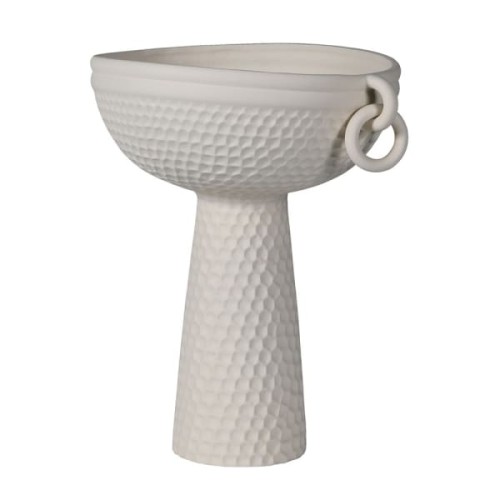
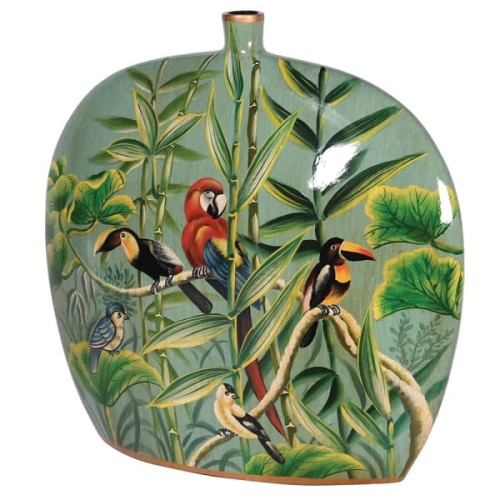
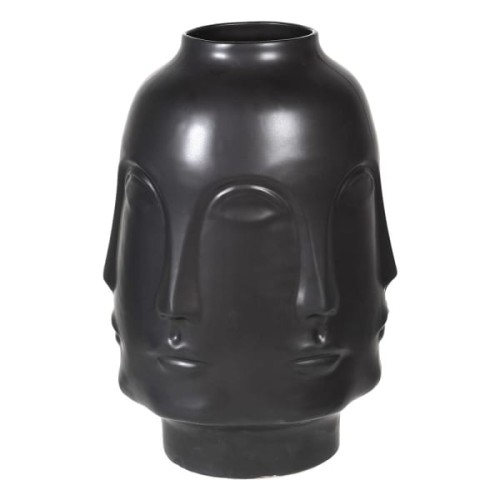
Ceramic & Stoneware Vases for Contemporary Interiors
Ceramic and stoneware vases combine sculptural form with tactile surfaces, making them useful decorative objects even when displayed without flowers. From softly glazed ceramics and matt stoneware to textured, patterned and more expressive designs, the material can introduce colour, shape and depth to an interior.
The K&B London collection includes ceramic, stoneware, porcelain and terracotta designs in a wide range of proportions, from smaller table vases to larger pieces with enough scale for a substantial console or sideboard.
For a broader selection of shapes and materials, explore our vases collection.
Decorative Ceramic Vases for Living Rooms
A ceramic vase can work as a standalone decorative object on a coffee table, console, sideboard or shelving unit. Sculptural silhouettes and textured surfaces are particularly effective where the surrounding furniture has cleaner lines and a more restrained material palette.
Neutral ceramic vases can sit quietly within a scheme, while stronger colours, unusual handles and more organic forms can become a deliberate focal point.
Stoneware Vases with Texture and Natural Character
Stoneware is particularly suited to interiors built around natural textures. Matt, irregular and subtly textured surfaces work well alongside timber, linen, travertine, marble, rattan and woven fabrics.
Depending on the design, a stoneware vase can complement contemporary, Japandi, modern organic, rustic or more eclectic interiors without relying on highly polished finishes.
What Is the Difference Between Ceramic and Stoneware Vases?
Ceramic is a broad term covering objects made from fired clay, while stoneware is a particular type of ceramic fired to create a denser material. In decorative interiors, the visible difference often comes down to surface, finish and form rather than the terminology alone.
Stoneware commonly has a substantial, tactile appearance, while ceramic vases can range from very matt and organic to smooth, glazed and highly decorative.
Modern Ceramic Vases
Contemporary ceramic vases often move beyond the traditional narrow-necked flower vase. Asymmetric silhouettes, arches, handles, exaggerated proportions and textured surfaces allow the vase itself to function as a sculptural accessory.
If you are looking specifically for cleaner, more architectural and contemporary forms, explore our modern vases.
White and Neutral Ceramic Vases
White, cream, beige and soft earthy ceramic finishes work particularly well with natural materials and tonal interiors. Rather than competing with surrounding furniture, they introduce shape and texture while keeping the colour palette restrained.
They can be styled against dark timber for contrast or combined with pale stone, bouclé, linen and lighter woods for a softer tonal arrangement.
Black Ceramic and Stoneware Vases
Black and charcoal vases create a stronger visual outline and can help introduce contrast to pale interiors. Textured black stoneware is particularly effective when paired with lighter stone, timber or neutral upholstery.
A dark vase does not need to match every black detail in the room. Repeating the colour in a lamp, frame, furniture leg or decorative object is usually enough to create a considered relationship.
Colourful Ceramic Vases
Ceramic is also well suited to stronger colour. Burgundy, red, green, blue and other decorative finishes can be used as controlled accents within otherwise neutral interiors.
The current K&B London collection includes both restrained stoneware and more expressive ceramic forms, including colourful and sculptural designs.
Large Ceramic Vases
A larger ceramic vase can provide more visual weight on a substantial console, sideboard or low cabinet. When choosing a larger design, consider not only its height but also its diameter and overall silhouette.
A wide rounded vase may require significantly more surface space than a taller narrow form, even when both have a similar height.
For pieces intended specifically to be positioned on the floor, explore our large floor vases.
Ceramic Vases for Console Tables and Sideboards
Console tables and sideboards provide enough surface area for ceramic vases with stronger proportions. A single sculptural vase can be used as the main decorative object, or two pieces of different heights can create a more layered arrangement.
When combining several objects, vary their height and shape rather than selecting pieces of identical scale. This creates a more natural composition while keeping the overall palette connected.
Ceramic Vases for Dining Tables
On a dining table, consider both the width and height of the vase. Lower or more compact forms can provide a decorative centrepiece without visually dividing the table, while taller vases may work better when the table is not being used for dining.
A sculptural ceramic vase can also be displayed without stems, allowing its shape and finish to become the main feature.
Can Ceramic and Stoneware Vases Hold Fresh Flowers?
Not every decorative ceramic or stoneware vase is designed to hold water. Some pieces are intended primarily as decorative vessels and may not have a fully watertight interior.
Always check the individual product specification before adding water or fresh flowers. If suitability for water is important, our glass vases are generally the more natural category to explore for fresh floral arrangements, although the specification of the individual vase should still be checked.
Styling Ceramic Vases with Artificial Flowers and Branches
Where a decorative vase is not suitable for water, it can still be styled with artificial flowers, dried stems or decorative branches, provided the proportions and opening of the vase are suitable.
Tall stems can add height to a console or floor arrangement, while shorter botanical displays work well on dining tables, sideboards and coffee tables.
Explore our artificial flowers & plants for further styling options.
Can a Ceramic Vase Be Displayed Without Flowers?
Yes. Many ceramic and stoneware vases are designed to work as decorative objects in their own right. Handles, unusual profiles, textured finishes and sculptural surfaces can give a vase enough visual character to be displayed completely empty.
This is particularly effective in more minimal interiors where form and material are allowed to stand out without additional decoration.
How to Style Ceramic and Stoneware Vases
Start with the scale of the surface or area where the vase will be displayed. A small vase may suit a shelf, coffee table or dining table, while a larger design usually needs the visual space of a sideboard, console or substantial cabinet.
Rather than matching every accessory exactly, connect the vase to the room through one element such as colour, texture or material. A matt stoneware vase may echo natural stone, while glazed ceramic can introduce contrast beside rough timber or woven fabrics.
How to Care for Ceramic and Stoneware Vases
Use a soft, dry or slightly damp cloth for routine cleaning and avoid abrasive products that could damage glazed, matt or textured finishes. Decorative relief and irregular surfaces may be easier to dust with a soft brush.
Always follow the care guidance provided for the individual product, particularly for hand-finished, textured or decorative surfaces.
Ceramic & Stoneware Vases at K&B London
Explore ceramic and stoneware vases selected for their proportions, surface detail and material character. The collection ranges from neutral matt stoneware and glazed ceramics to colourful, sculptural and larger decorative forms for living rooms, dining rooms, bedrooms and entrance halls.
Frequently Asked Questions
Are stoneware vases ceramic?
Yes. Stoneware is a type of fired ceramic material. Its dense construction and often tactile appearance make it particularly suitable for decorative vessels and home accessories.
Can I put water in a ceramic vase?
Only if the individual product is specified as suitable for holding water. Some decorative ceramic and stoneware vessels are not fully watertight and are intended primarily for decorative use.
Can ceramic vases be displayed without flowers?
Yes. Sculptural silhouettes, decorative handles, textured surfaces and distinctive glazes allow many ceramic vases to work as standalone decorative objects.
Where should I place a large ceramic vase?
Larger ceramic vases work particularly well on substantial console tables, sideboards and cabinets. Designs intended as floor vases can also be positioned beside furniture, in entrance halls or in larger living-room corners.
What can I put in a ceramic vase if it cannot hold water?
Depending on the shape of the vase, artificial flowers, dried stems and decorative branches can be suitable alternatives. Always consider the stability and dimensions of both the vase and arrangement.
