


- Interior Design Styles & Trends
- Garden & Outdoor Living
- Luxury Home Gifts
- Furniture
- Coffee Tables
- Side Tables
- Luxury Armchairs
- Luxury Sofas
- Luxury Cabinets & Storage Furniture
- Console Tables
- Dining Tables
- Dining Chairs
- Luxury Bar Stools
- Stools, Pouffes & Benches
- Ceramic Stools
- Bedside Tables & Cabinets
- Dressing Tables
- Shelving Units & Bookcases
- Desks
- Bar Cabinets
- Bar Carts & Drinks Trolleys
- Plinths & Pedestals
- Decorative Room Dividers
- Furniture by Material
- Furniture by Room
- Luxury Home Accessories
- Luxury Lighting
- All products
- K&B London Gold Label
- New arrivals
- Sale
Why K&B? London
We select furniture, lighting and decorative pieces distinguished by sculptural form and considered finishes
Our collections are curated for cohesive interiors with individual character, far removed from mass-market design
Filters
Vendor
Price
-
from
To
Metal sideboards and cabinets bring architectural form, distinctive texture and practical storage to living rooms, dining rooms and hallways. The K&B London collection includes broad four-door sideboards, compact two-door cabinets, glass-fronted storage and designs finished in brass, antique silver and black iron.
Metal Sideboards & Cabinets
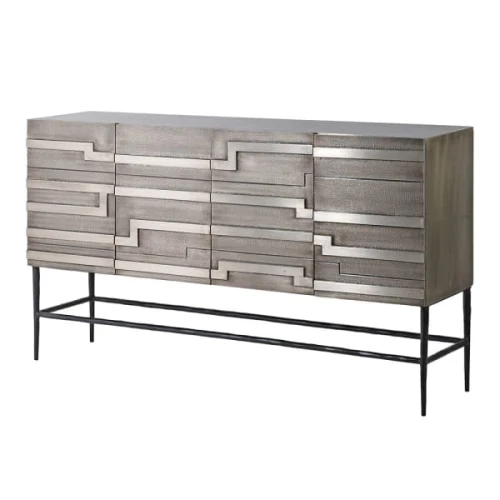 Sloane Silver Sideboard 150 cm antique silver aluminium four-door sideboard
£1,798.00

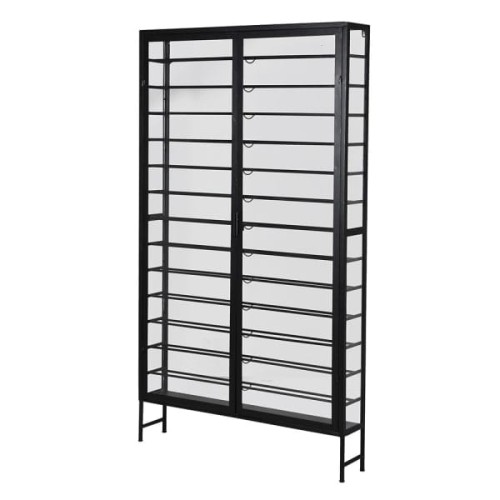 Black Wine Display Cabinet 187 cm – Glass and Iron Wine Storage Cabinet
£1,198.00
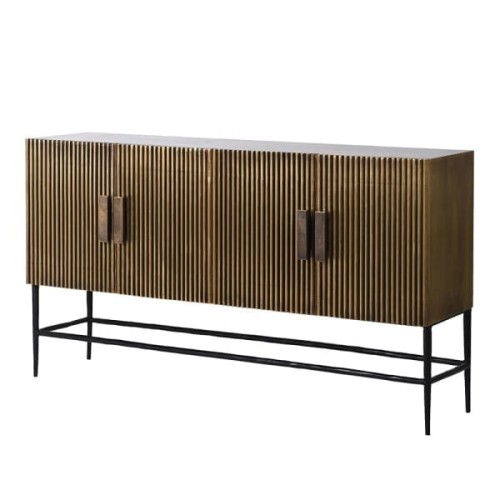
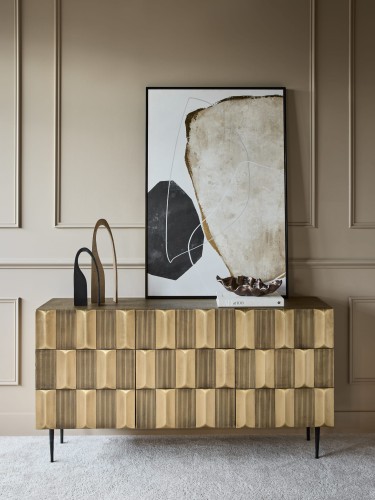 Lyall Brass Sideboard 150cm – Three-Door Sculpted Brass Sideboard
£2,198.00
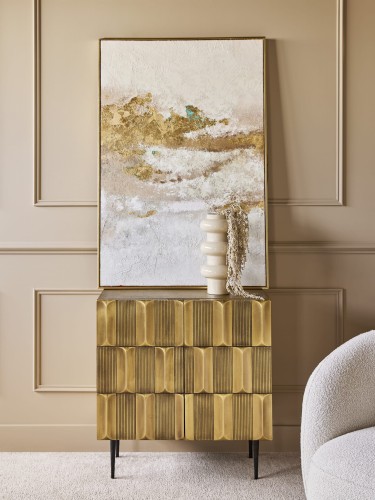
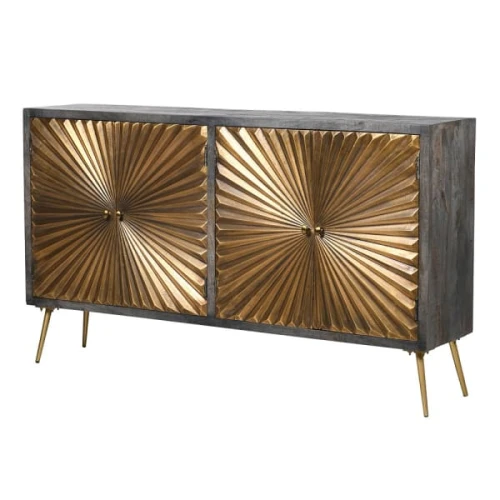
Metal sideboards and cabinets with architectural character
A metal sideboard can provide generous concealed storage whilst introducing a more structured, sculptural presence than conventional wooden furniture. Reflective surfaces, relief patterns, fluted doors and dark iron frames interact with light in different ways, allowing the cabinet to become a defining feature within the room.
The K&B London collection brings together metal and mixed-material storage furniture selected for its proportions, finish and visual character. It includes broad sideboards for living and dining rooms, smaller cabinets for restricted wall spaces, glass-fronted designs and furniture intended for more specialised storage.
Understanding metal and mixed-material cabinets
Not every product within this collection is made entirely from metal. Depending on the design, metal may form the external cladding, door fronts, frame, base or decorative detailing. The supporting case and internal structure may include MDF, oak, wood veneer or another engineered material.
This distinction is important when comparing products. An aluminium-clad sideboard creates a different surface and character from a solid iron cabinet, whilst brass tiles applied to the fronts provide a different construction from furniture finished only with brass-toned handles or legs.
Always review the individual product specification when the precise material composition is important. The term “metal sideboard” describes the defining material and appearance of the furniture rather than guaranteeing that every structural element is manufactured from metal.
Brass, aluminium and iron storage furniture
Brass sideboards and gold-toned cabinets
Brass introduces warmth, depth and a softly reflective finish. Designs with cast or textured brass fronts create a sculptural surface that changes subtly as the light moves across it. Dark cases and iron bases can provide contrast and prevent the metallic finish from becoming visually excessive.
A brass sideboard works particularly well with dark timber, marble, stone, smoked glass and warm neutral upholstery. In a dining room, it can form an elegant background for tableware and glassware; in a living room, it can provide concealed storage beneath artwork or a mirror.
Antique-silver and aluminium-clad sideboards
Antique-silver finishes create a cooler and more restrained metallic effect. Aluminium cladding can introduce texture and tonal variation without the highly reflective appearance of mirrored furniture. The resulting finish works with charcoal, navy, off-white, grey and cooler natural stone.
Because aluminium cladding may be applied over an engineered supporting structure, the complete construction should always be checked on the individual product page.
Black iron and glass cabinets
Black iron frames and fluted glass doors create a more architectural appearance. Glass allows selected objects to remain partly visible, whilst ribbed or textured surfaces soften the view of the contents and introduce additional depth.
These designs are suited to contemporary, industrial and modern-classic interiors. They can be used for glassware, ceramics, books or decorative objects, provided the shelf dimensions and recommended load correspond to the intended contents.
Oak, iron and fluted-glass cabinets
Mixed-material cabinets combine the warmth of oak with the definition of iron and the visual lightness of glass. This balance makes them particularly versatile in interiors where a fully metallic cabinet might appear too stark.
Oak-and-iron designs belong in this category only where metal and glass make a substantial contribution to the construction and appearance of the furniture. Models that use metal solely for small handles or legs should remain within the wider wooden cabinet collection.
Which type of metal sideboard or cabinet should you choose?
Wide metal sideboards
A four-door sideboard offers broad concealed storage and a generous upper surface. It can be used for tableware and serving pieces in a dining room or for documents, games and household accessories in a living room.
Wide sideboards also influence the visual proportions of the room. Before ordering, compare their width with the wall and with nearby furniture. A substantial cabinet should feel intentionally positioned rather than compressed between other elements.
Customers choosing primarily by furniture type rather than material can explore the complete luxury sideboards collection.
Compact two-door cabinets
A smaller cabinet can provide useful storage where a 150–200 cm sideboard would be too wide. Compact designs can be placed in an alcove, beside a fireplace, beneath a mirror or against a shorter hallway wall, provided the depth does not restrict the main route through the room.
Check the number and position of internal shelves and allow sufficient clearance for the doors to open fully.
Glass-fronted and display cabinets
Glass-fronted cabinets are suitable when selected objects should remain visible without being left completely exposed. Tableware, books, ceramics and decorative glass can form part of the arrangement, whilst the surrounding metal frame gives the furniture a stronger architectural outline.
When using a display cabinet, avoid overcrowding every shelf. Leaving space between objects allows the composition, textured glass and internal structure to remain visible.
TV units and specialist storage
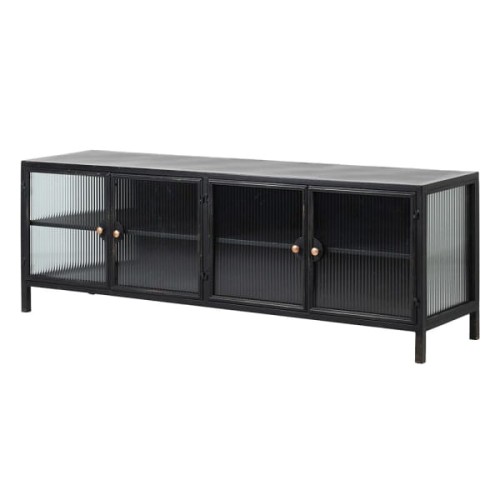
Furniture used for television and media equipment should be selected according to its load capacity, width, ventilation and cable access. A standard sideboard should not be adapted as a media unit unless the product specification confirms that its construction is suitable.
Browse the dedicated TV units collection for furniture designed specifically around media storage. Bottles and stemware should likewise be stored in furniture intended for that purpose, available within the bar cabinets collection.
How to choose the correct size and internal layout
Begin with what needs to be stored
Consider the size, weight and frequency of use of the intended contents. Shelves are suited to tableware, books and larger objects, whilst drawers help organise smaller accessories. Adjustable shelves provide greater flexibility but should always be used within the manufacturer’s recommended load limits.
Measure the complete space
Compare the full width, depth and height of the cabinet with the available area. Include skirting boards, sockets, radiators and nearby doors in the measurement. Allow enough space to open every door and drawer without obstructing chairs or the main route through the room.
Use removable tape to mark the proposed footprint on the floor. For a taller cabinet, marking its height on the wall will give a more accurate impression of its scale.
Check the delivery route
Measure entrances, corridors, lifts, staircases and any restricted turns leading to the intended room. Large sideboards may be delivered fully or partly assembled, so the entire route must be checked rather than only the final position.
Follow the safety instructions
Place the cabinet on a stable, level surface and follow the assembly and wall-fixing instructions supplied with the individual product. Tall, heavy or drawer-based furniture may require suitable wall restraint depending on its construction and intended use.
Metal sideboards for living rooms and dining rooms
In a living room, a metal sideboard can create a visual base beneath artwork, a mirror or a pair of wall lights. Its upper surface can be styled with a table lamp, sculpture, decorative bowl or a restrained arrangement of books. Leaving part of the surface clear prevents the furniture from appearing cluttered.
In a dining room, the cabinet can organise plates, serving dishes, glassware and table linen close to the dining table. Metallic finishes can be repeated subtly through lighting, mirror frames or smaller decorative accessories without requiring every element to match exactly.
A compact metal cabinet may also work in a hallway, provided there is adequate circulation space. Explore the dedicated hallway cabinets when suitability for an entrance area is the primary consideration.
How to style metallic furniture
Metallic furniture does not need to be surrounded by matching gold or silver accessories. A more considered result can be achieved by using the sideboard as the principal metallic element and balancing it with wood, stone, linen, wool, leather or softly textured upholstery.
Brass and warm gold finishes pair naturally with dark timber, cream fabrics and brown or rust tones. Antique silver works with charcoal, navy, pale stone and cooler neutrals. Black iron and glass can support industrial, contemporary and modern-classic interiors, depending on the surrounding materials.
For a stronger contrast, place a metallic cabinet against a matt-painted or subtly textured wall. Highly patterned wallpaper or numerous reflective accessories can compete with sculptural cabinet fronts and reduce their visual impact.
How to care for metal sideboards and cabinets
Dust metal surfaces with a soft, dry cloth. Avoid abrasive cleaners, scouring pads and strong chemical products, as these may scratch or alter the finish. Do not use a metal polish unless it is specifically approved in the individual product instructions.
Clean glass with an appropriate non-abrasive product applied to the cloth rather than sprayed directly onto the furniture. Prevent moisture from collecting around door edges, joints and mixed-material surfaces.
Use coasters or protective pads beneath drinks, vases, lamps and decorative objects. Remove spillages promptly and avoid positioning the furniture directly beside a strong heat source or in a persistently damp environment.
Metal sideboards and cabinets from K&B London
K&B London offers metal storage furniture for interiors in which practical organisation, material and visual character are equally important. The collection ranges from textured brass and antique-silver sideboards to black iron cabinets, glass-fronted storage and oak designs with substantial metal detailing.
Browse the complete cabinets and storage furniture collection to compare metallic designs with furniture in wood, glass and mixed materials. For a warmer material-led alternative, explore our wooden cabinets.
Frequently asked questions
Are all metal sideboards made entirely from metal?
No. Some designs use iron, aluminium or brass as the principal external material, whilst others combine metal with MDF, oak, wood veneer, glass or a shagreen-effect finish. Review the individual product specification for the complete composition.
What is the difference between a metal sideboard and a metal cabinet?
A sideboard is generally a low, wide storage unit used in a living room or dining room. “Metal cabinet” is a broader description that may include compact cupboards, glass-fronted cabinets, sideboards and specialist storage furniture.
Can a metal sideboard be used in a living room?
Yes. A metal sideboard can provide concealed storage for documents, games and household accessories whilst creating a surface for a lamp, artwork or decorative objects. Its dimensions and internal layout should correspond to the available space and intended contents.
Will brass and antique-silver finishes look completely uniform?
Textured, antiqued and hand-applied finishes may display tonal variation across the surface. This can form part of the intended character of the design. Consult the individual product photographs and specification for details of the particular finish.
How should a metal cabinet be cleaned?
Use a soft, dry cloth and follow the care instructions supplied with the product. Avoid abrasive products and do not apply metal polish unless it is approved for that specific finish. Glass and mixed-material surfaces may require separate cleaning methods.
