


Why K&B? London
We select furniture, lighting and decorative pieces distinguished by sculptural form and considered finishes
Our collections are curated for cohesive interiors with individual character, far removed from mass-market design
Filters
Vendor
Price
-
from
To
Discover luxury wall lights designed to bring atmosphere, depth and decorative character to elegant interiors. The K&B London collection includes designer wall lighting for living rooms, bedrooms, dining rooms, hallways, entrance spaces and home offices.
Luxury Wall Lights
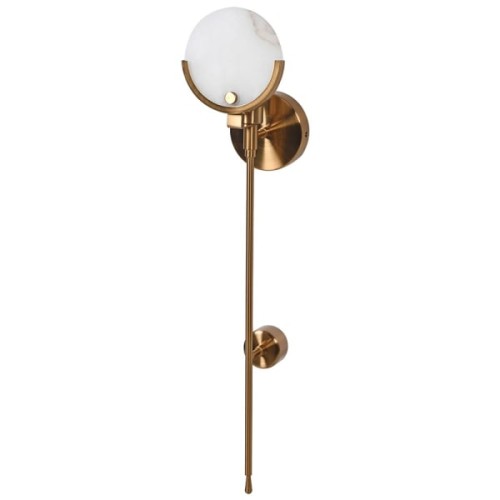
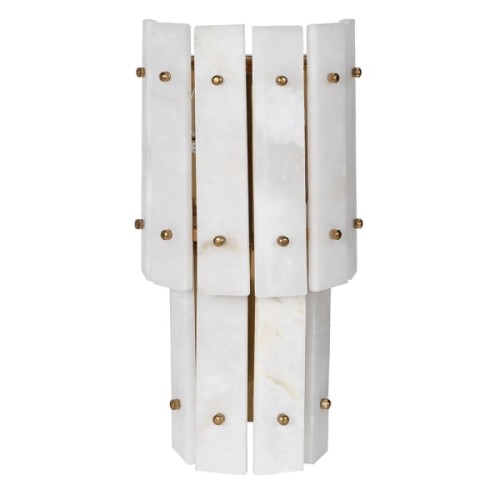
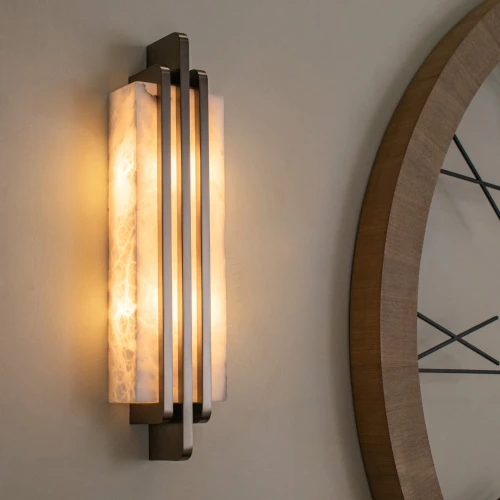
 Alabaster Wall Light 51 cm – LED Wall Sconce with Alabaster Shade and Gold Details
£390.00



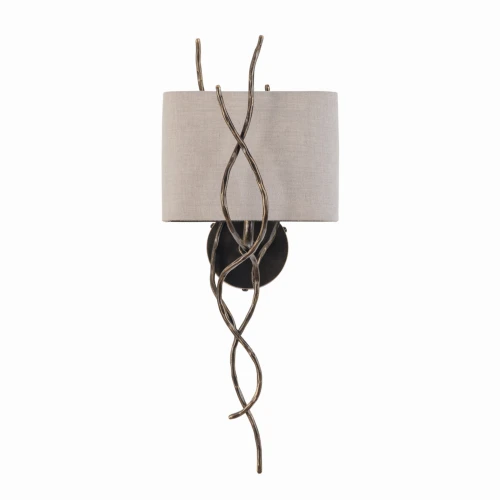 Set of 2 Ember Wall Lights with Shades – 67 cm Iron Frame and Linen Shades
£480.00
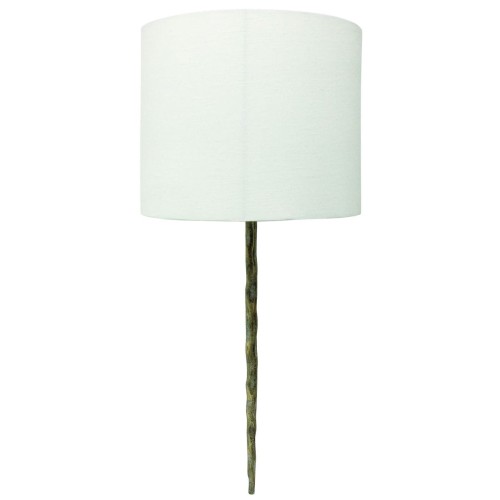
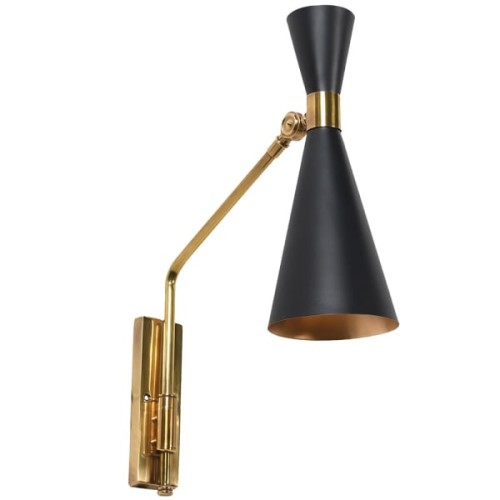
 Stella Wall Light with Two Arms – Black and Gold with Two Linen Shades
£398.00
Designer wall lights for layered interiors
Wall lights allow illumination to be introduced at a different height from ceiling, table and floor lamps. This creates a more layered lighting scheme and helps a room feel softer, more balanced and comfortable during the evening.
Depending on their construction and position, designer wall lights can provide ambient illumination, focused task lighting or a decorative accent. They can also highlight architectural details, mirrors, artwork and carefully selected pieces of furniture without occupying floor or table space.
Living room wall lights
Living room wall lights can introduce depth around a sofa, fireplace, console table or seating area. A pair of matching lights creates symmetry, while a single sculptural fitting can provide a stronger decorative feature on a smaller wall.
Wall lighting is particularly effective when combined with a chandelier or ceiling light and additional lamps positioned around the room. This makes it possible to adjust the atmosphere instead of relying on one bright overhead source throughout the evening.
Bedroom and bedside wall lights
Bedroom wall lights can replace traditional bedside lamps and leave more usable space on bedside tables. They may provide a soft ambient glow, frame the bed symmetrically or offer more focused illumination for evening reading.
Before choosing bedside wall lights, consider whether the fitting directs light upwards, downwards or outwards. For reading, an adjustable or more focused design may be appropriate. For atmosphere and decoration, a diffused shade made from fabric, frosted glass or natural stone can create a softer effect.
Wall lights for hallways and entrance spaces
Hallway wall lights help illuminate circulation areas while making use of walls that may not accommodate floor or table lamps. Repeated fittings can introduce visual rhythm along a corridor, while a pair positioned beside a mirror or above a console table can create a considered entrance arrangement.
In narrow spaces, check the complete projection of the light from the wall. A slimmer fitting will generally provide more comfortable clearance while still introducing decorative detail and useful illumination.
Wall lighting for dining rooms and home offices
In a dining room, wall lights can complement a chandelier or pendant positioned above the table. They introduce a softer secondary layer of light and help prevent the room from depending entirely on one central fitting.
Within a home office, a wall light can illuminate shelving, artwork or a particular architectural feature. If it is intended to support reading or desk work, choose a design that provides suitably directed light rather than purely decorative illumination.
Modern and decorative wall lights
The collection includes understated modern wall lights as well as more expressive designs featuring glass shades, marble panels, metal frames and decorative detailing. Clean geometric forms work well in contemporary interiors, while layered glass, warm metallic finishes and symmetrical silhouettes complement modern classic, Art Deco and glamour schemes.
A wall light does not need to match every other fitting in the room. A more individual result can be achieved by repeating one selected detail, such as the colour of the metal, the type of glass or the shape of the shade.
Glass, marble and metal wall lights
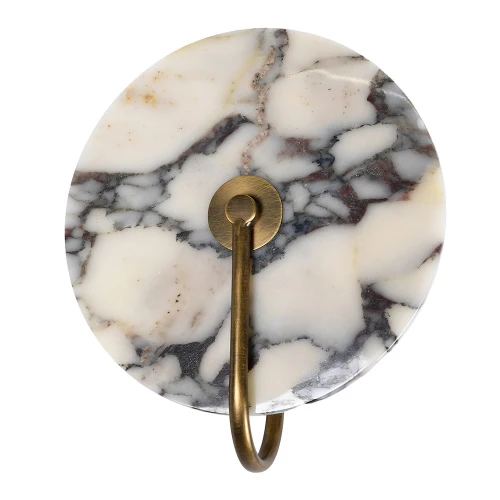
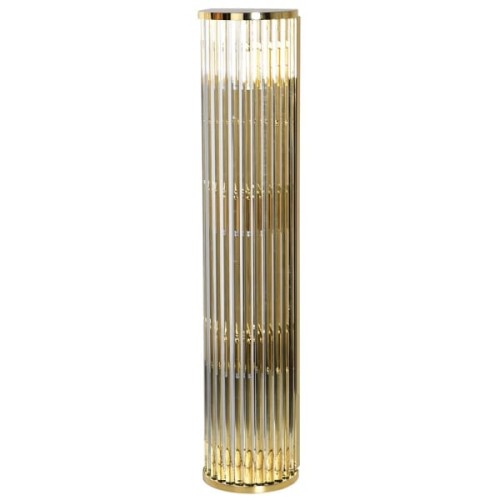
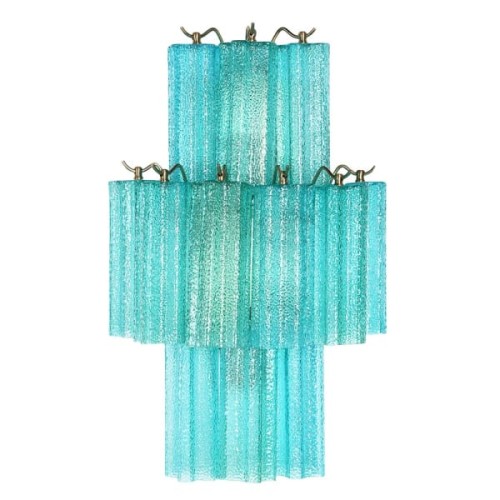
Material affects the appearance of a wall light both when illuminated and when switched off. Clear, ribbed and smoked glass can reflect or diffuse light while retaining visual lightness. Marble and alabaster introduce natural variation, texture and a more architectural character.
Brass and gold-toned finishes create warmth, black metal provides contrast, and silver finishes work particularly well in cooler contemporary interiors. When selecting a finish, consider nearby door handles, mirror frames, furniture details and other lighting rather than viewing the wall light in isolation.
How to choose a wall light
- Purpose: decide whether the fitting will provide ambient, accent, reading or circulation lighting.
- Light direction: check whether the light is directed upwards, downwards, outwards or diffused through a shade.
- Room and position: consider whether the light will be installed beside a bed, mirror, fireplace, console table, artwork or along a hallway.
- Dimensions: compare the height, width and projection of the fitting with the available wall space.
- Material and finish: coordinate glass, marble, brass, bronze, black metal or other finishes with the wider interior.
- Electrical specification: check the required bulb type, maximum wattage, wiring and installation requirements.
- Bathroom suitability: use a wall light in a bathroom only when it has an appropriate IP rating for its intended location.
Where should wall lights be positioned?
The correct position depends on the fitting, its purpose and the proportions of the room. As a general reference, decorative wall lights are often installed with their centre approximately 150–180cm above floor level. This should be adjusted for ceiling height, furniture placement and the direction of the light.
Bedside reading lights should be positioned according to the height of the bed and the user’s seated position. Lights installed beside a mirror, fireplace or artwork should relate symmetrically to the feature they are framing. Before installation, it can be helpful to mark the proposed position and dimensions of the fitting on the wall.
Why choose K&B London wall lights?
K&B London offers wall lighting selected for its proportions, materials, finish and decorative presence. The collection includes understated designs for layered ambient lighting as well as sculptural wall lights capable of becoming a focal point in their own right.
Individual product pages provide dimensions, materials and available technical information to help you compare designs and select lighting suited to the function and scale of your interior. Electrical fittings should always be installed by a suitably qualified electrician.
Frequently asked questions
What are wall lights used for?
Wall lights can provide ambient, accent or task lighting. They may illuminate a hallway, frame a bed or mirror, highlight artwork or create a softer secondary layer of light within a living room or dining room.
Are wall lights suitable for bedrooms?
Yes. Wall lights work particularly well beside a bed because they provide illumination without occupying space on a bedside table. Choose a diffused design for atmosphere or an adjustable fitting when more focused reading light is required.
What type of wall lights should I choose for a living room?
Choose a design that suits the scale of the wall and the function it needs to perform. Glass and metal fittings can provide a contemporary or decorative effect, while marble and alabaster designs introduce natural texture and softer diffused light.
At what height should wall lights be installed?
Decorative wall lights are commonly positioned with their centre approximately 150–180cm above the floor, but there is no universal height. The final position should take account of the fitting, ceiling height, furniture and the direction of the light.
Do wall lights need to be installed by an electrician?
Hardwired wall lights should be installed by a suitably qualified electrician. The electrician should confirm the wiring, wall construction, fixing method and suitability of the fitting for its intended location.
Can wall lights be installed in a bathroom?
Only wall lights with an appropriate IP rating should be installed in a bathroom. Suitability depends on the fitting’s rating and its distance from water sources, so the installation should be assessed by a qualified electrician.
Do wall lights need to match the ceiling light?
No. The fittings can be from different collections, provided there is a visual connection between them. Repeating a metal finish, glass colour, shape or design detail is usually enough to create a cohesive lighting scheme.
