


- Interior Design Styles & Trends
- Garden & Outdoor Living
- Luxury Home Gifts
- Furniture
- Coffee Tables
- Side Tables
- Luxury Armchairs
- Luxury Sofas
- Luxury Cabinets & Storage Furniture
- Console Tables
- Dining Tables
- Dining Chairs
- Luxury Bar Stools
- Stools, Pouffes & Benches
- Ceramic Stools
- Bedside Tables & Cabinets
- Dressing Tables
- Shelving Units & Bookcases
- Desks
- Bar Cabinets
- Bar Carts & Drinks Trolleys
- Plinths & Pedestals
- Decorative Room Dividers
- Furniture by Material
- Furniture by Room
- Luxury Home Accessories
- Luxury Lighting
- All products
- K&B London Gold Label
- New arrivals
- Sale
Why K&B? London
We select furniture, lighting and decorative pieces distinguished by sculptural form and considered finishes
Our collections are curated for cohesive interiors with individual character, far removed from mass-market design
Filters
Vendor
Price
-
from
To
Discover elegant sideboards for living rooms and dining rooms. The K&B London collection includes spacious modern, wooden, fluted and statement sideboards designed to provide refined storage for tableware, glassware, textiles and everyday essentials.
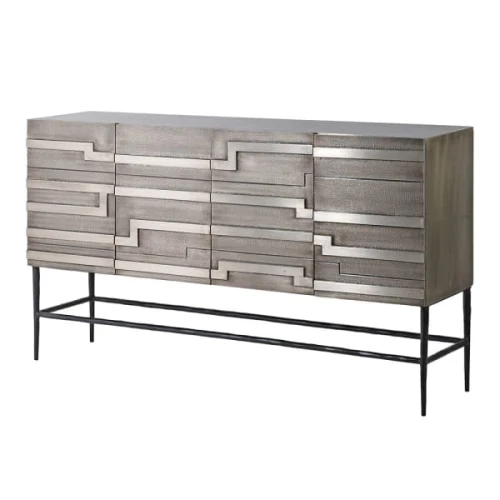 Sloane Silver Sideboard 150 cm antique silver aluminium four-door sideboard
£1,798.00
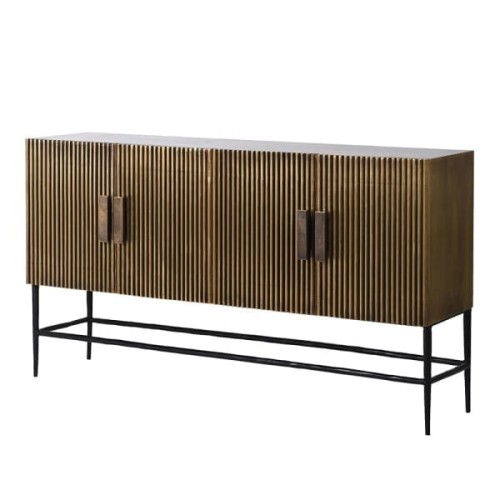
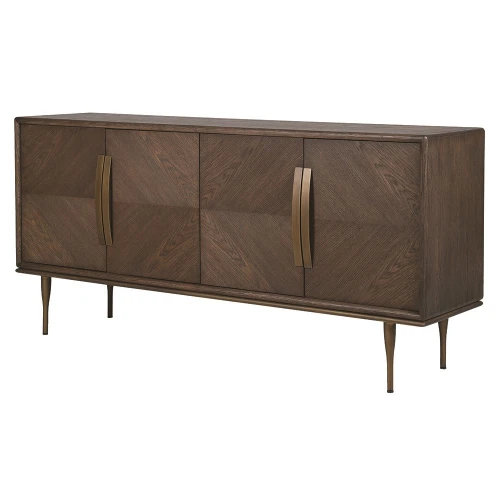
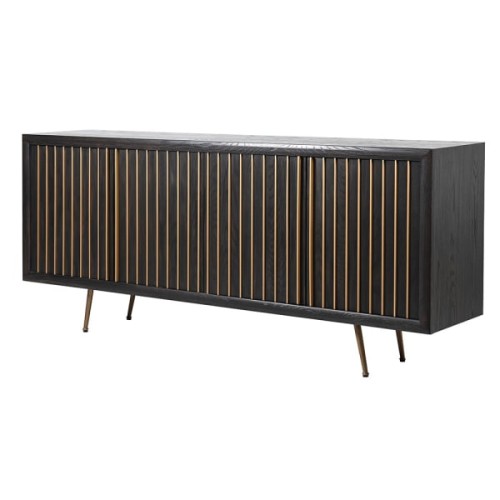 Battersea Sideboard 200x87 cm - luxury wooden sideboard in dark brown and gold
£2,178.00
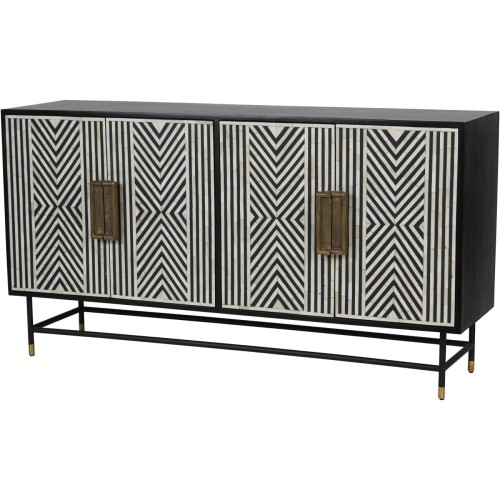 Belize II Bone Inlay Sideboard 150 cm – Black Geometric Buffet Cabinet
£2,998.00

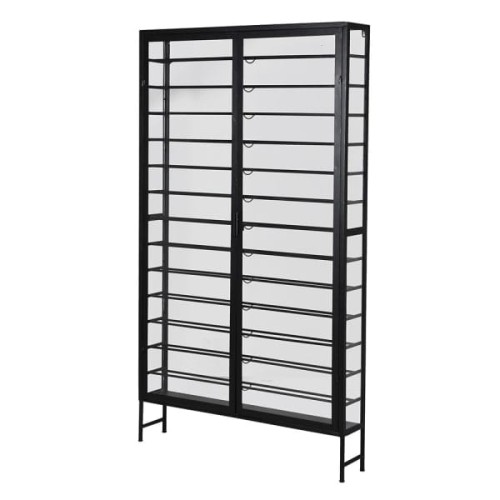 Black Wine Display Cabinet 187 cm – Glass and Iron Wine Storage Cabinet
£1,198.00
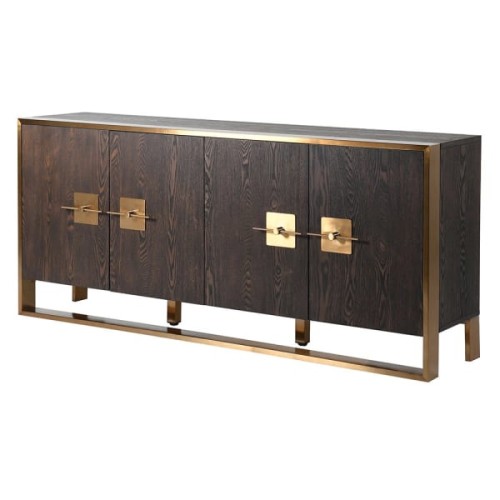
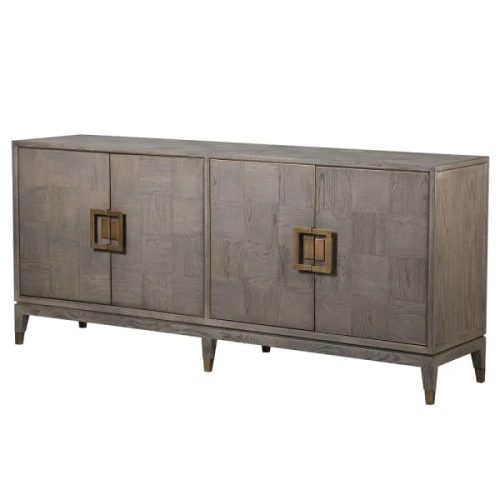
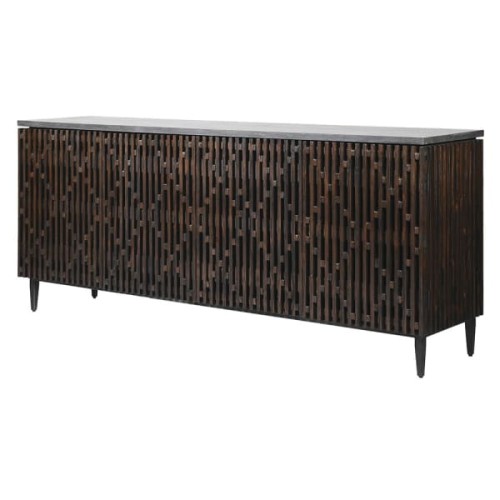
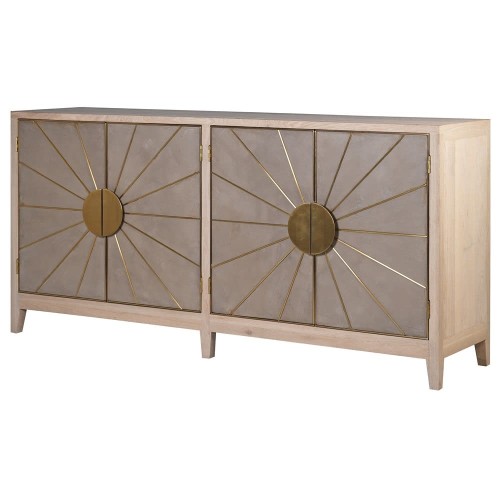
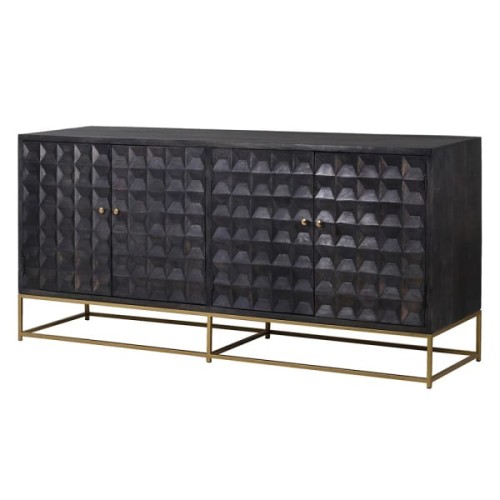
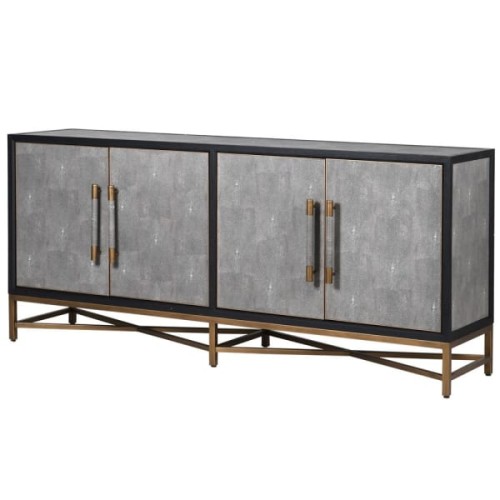 Enderby Grey Faux Shagreen Sideboard 193 cm – Dark Oak and Brass Base
£2,238.00
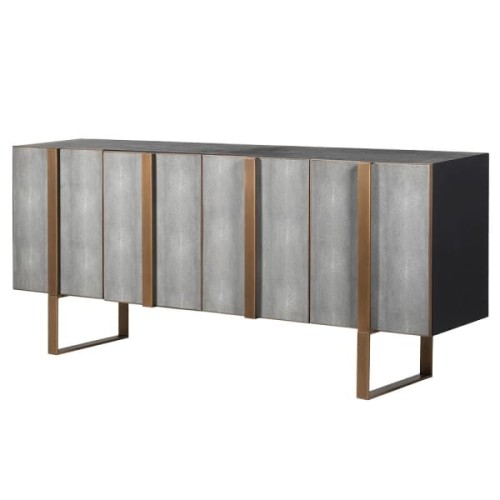 Enderby II 200cm Sideboard Cabinet – Grey Shagreen, Oak & Gold Iron Details
£1,998.00
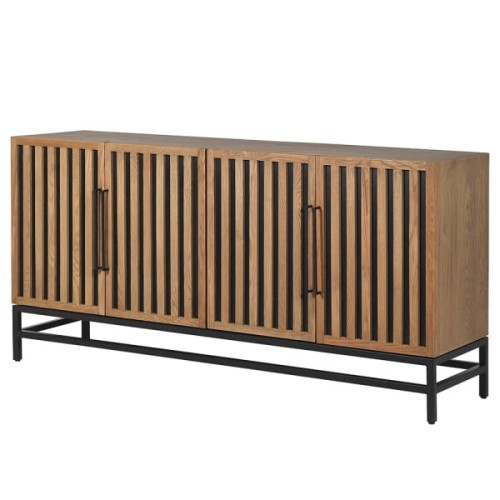
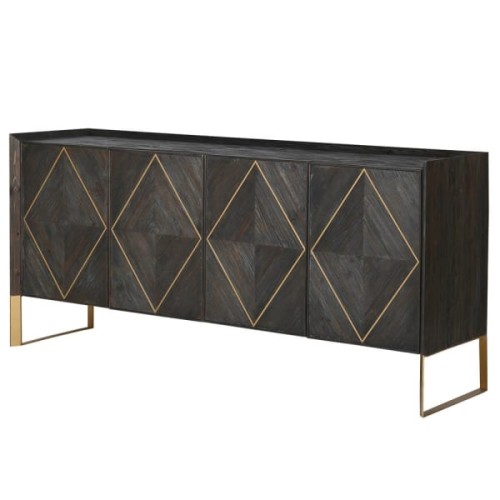 Finchley Sideboard – 4-Door Cabinet in Elm & Poplar with Copper Detailing, 192 cm
£2,398.00
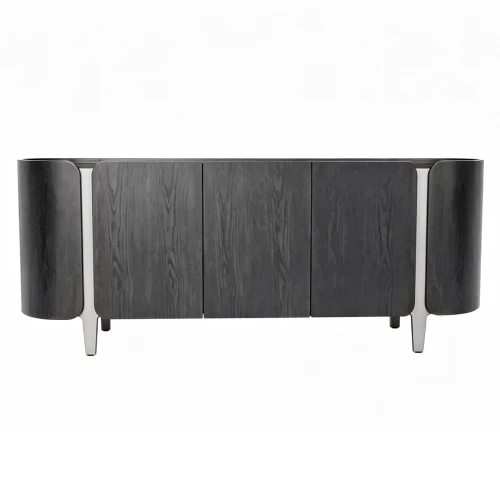
 Kinnerton Four-Door Sideboard 160 cm with Bone-Inlaid Fronts and Gold Details
£2,398.00
Luxury sideboards for elegant, organised interiors
A sideboard combines generous storage with the visual presence of a substantial piece of furniture. Its low, wide proportions make it particularly suitable for storing tableware, glassware, serving pieces, textiles and everyday household items without adding the height of a traditional cupboard.
The top provides a useful display or serving surface, while closed doors and drawers help maintain a calm, uncluttered interior. Depending on the model, the internal arrangement may include fixed or adjustable shelves, drawers and separate cupboards. Always check the individual product specification to ensure the storage layout suits its intended purpose.
Sideboards for living rooms and dining rooms
In a dining room, a sideboard keeps plates, glasses, cutlery, table linen and serving accessories close to the dining table. Its surface can also be used for drinks or serving dishes when entertaining, provided that suitable protective mats are used.
A living room sideboard provides concealed storage for books, games, documents, media accessories and decorative items. Positioned beneath a mirror or artwork, it can give an empty wall greater structure and create a considered focal point within the room. Explore more pieces for the space in our living room furniture collection.
Sideboards also work well in open-plan interiors, where one carefully chosen cabinet can connect the living and dining areas through a shared wood tone, metal finish or design detail.
Modern, wooden and statement sideboards
Modern sideboards are defined by clean lines, balanced proportions and restrained detailing. Smooth or handleless doors create a minimal appearance, while raised metal bases can make a broad cabinet feel visually lighter.
Wooden sideboards introduce natural grain and warmth. Pale wood finishes complement calm, neutral interiors, while dark oak, walnut and deep brown tones create a stronger, more formal effect. Natural timber and veneer may display differences in grain, pattern and tone, giving each piece an individual appearance.
For greater visual impact, consider a fluted sideboard or a design with carved, geometric or inlaid fronts. Metal trims, stone or ceramic tops and contrasting finishes can turn practical storage furniture into a statement feature. Decorative models are usually most effective when given sufficient space and paired with a restrained arrangement of accessories.
How to choose the right sideboard
Begin with the storage you need
Decide what the sideboard will contain before choosing its exterior design. Shelves are useful for tableware, glassware and larger objects, while drawers can organise cutlery, documents and smaller accessories. Consider the height and depth of the items you intend to store rather than relying solely on the external dimensions.
Measure the furniture and surrounding space
Compare the width, height and depth of the sideboard with the intended wall and nearby furniture. Allow sufficient clearance for doors and drawers to open fully. In a dining room, remember to include the space occupied by chairs when they are pulled away from the dining table.
Marking the dimensions on the floor with masking tape can help demonstrate the true scale of the furniture. Before ordering a large sideboard, check the complete delivery route, including doorways, corridors, staircases and lifts.
Consider the finish and visual weight
A broad sideboard in a dark or highly decorative finish creates a strong visual anchor. Lighter wood, neutral colours and raised legs can give the furniture a softer presence. The sideboard does not need to match every other item, but repeating a related timber tone, metal finish or geometric detail can help create a cohesive scheme.
How to style a sideboard
The surface of a sideboard can be styled with objects of different heights while leaving part of the top clear. A substantial table lamp, vase or sculpture can be balanced with a small group of lower accessories such as books, a decorative bowl or a tray.
A mirror positioned above the sideboard can reflect light and give the arrangement greater presence. Artwork offers an alternative way to introduce colour and personality. Whichever option you choose, its scale should relate to the width of the furniture below it.
Where the sideboard already features fluting, inlay, geometric doors or a highly decorative finish, keep the surrounding composition relatively simple. Leaving some negative space allows the design of the cabinet to remain the focus.
Care and safe positioning
Dust the sideboard with a soft, dry or lightly damp cloth, following the care instructions provided for its particular materials and finish. Remove spills promptly and protect the top from heat, moisture and potentially abrasive decorative objects.
Place the furniture on a level surface and use any supplied levelling components correctly. Large or heavy sideboards may require wall fixing in accordance with the manufacturer’s instructions. Store heavier items on lower shelves where possible and never use open doors or drawers to support weight.
Sideboards from K&B London
The K&B London collection includes compact and large sideboards for contemporary, modern-classic, Art Deco-inspired and eclectic interiors. Discover natural and dark wood finishes, sculptural fronts, metal details and distinctive combinations of materials selected for considered living and dining spaces.
If you are comparing different types of storage furniture, explore the complete cabinets collection, including TV units and bedroom chests of drawers.
Frequently asked questions
What is a sideboard used for?
A sideboard is a low storage cabinet commonly used for tableware, glassware, cutlery and table linen. It can also store books, games, documents and everyday household items in a living room or open-plan interior.
Can a sideboard be used in a living room?
Yes. A living room sideboard provides concealed storage while creating a surface for a lamp, mirror, artwork or decorative accessories. Its low profile works particularly well against a long wall.
What is the difference between a sideboard, buffet and credenza?
The terms often refer to similar low storage cabinets. In British English, “sideboard” is the most widely used term. “Buffet” is more commonly associated with dining-room storage internationally, while “credenza” is often used for contemporary or design-led cabinets.
How do I choose the correct sideboard size?
Measure the intended wall and check the full width, height and depth of the furniture. Allow enough space to open doors and drawers and to move comfortably around nearby tables and chairs. The complete delivery route should also be measured before ordering.
For a more detailed approach to lighting, artwork, mirrors and decorative objects, read our guide on how to style a sideboard.
