


Why K&B? London
We select furniture, lighting and decorative pieces distinguished by sculptural form and considered finishes
Our collections are curated for cohesive interiors with individual character, far removed from mass-market design
Filters
Price
-
from
To
Discover luxury table lamps selected for their sculptural forms, considered proportions and refined materials. The collection includes large statement lamps, elegant bedside lighting and decorative designs for consoles, side tables, sideboards and desks.
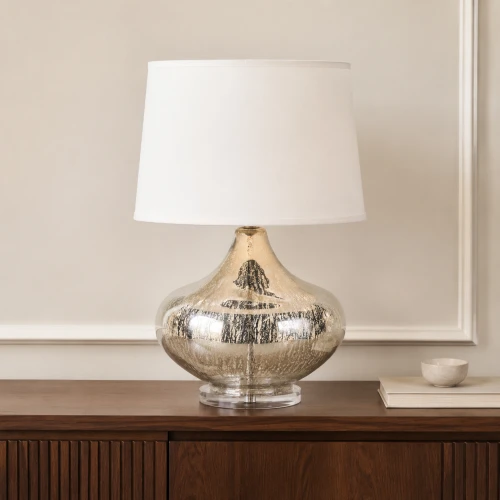
 Orient Aluminium Glass Table Lamp with Linen Shade74 cm bedside lamp
£304.00

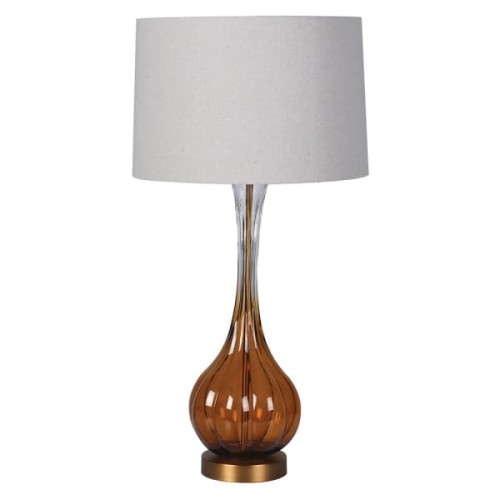 Amber Glass Large Table Lamp, 80 cm, with Glass Base and Pure Linen Shade
£258.00
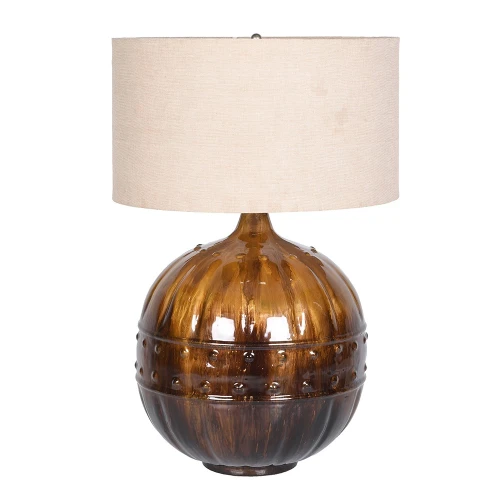
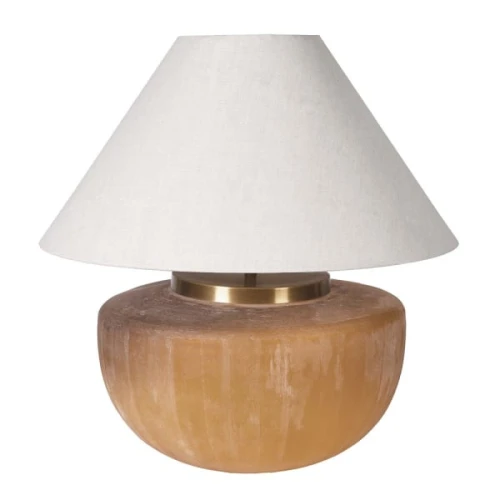
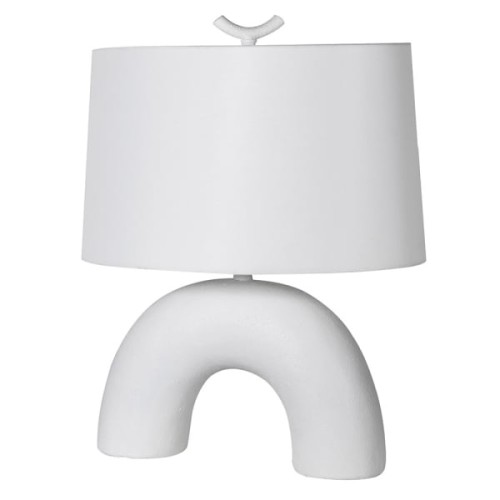
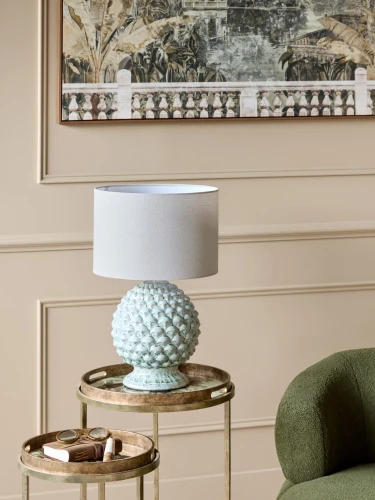 Arnos Ceramic Table Lamp 59 cm – Textured Pale Green Base and Light Shade
£198.00
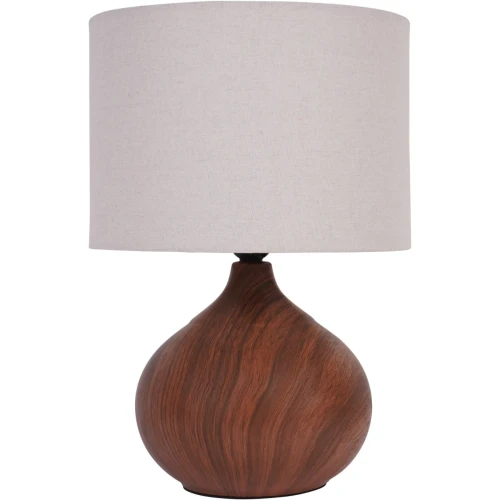
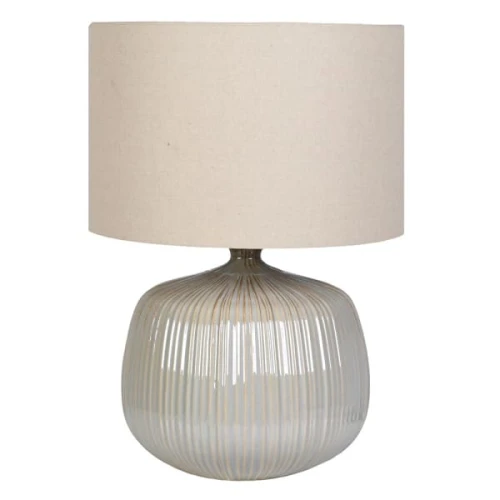
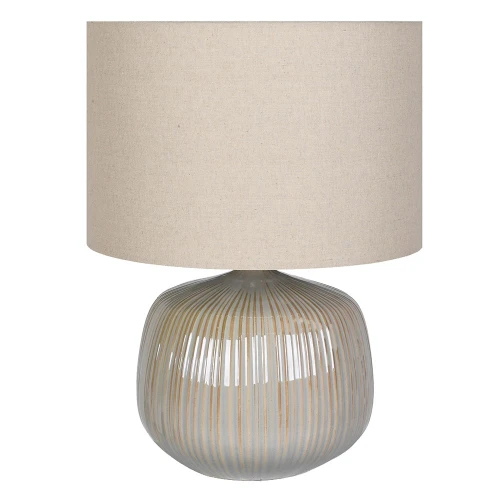
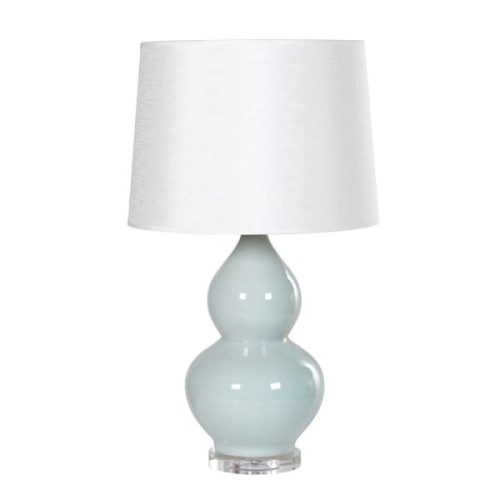
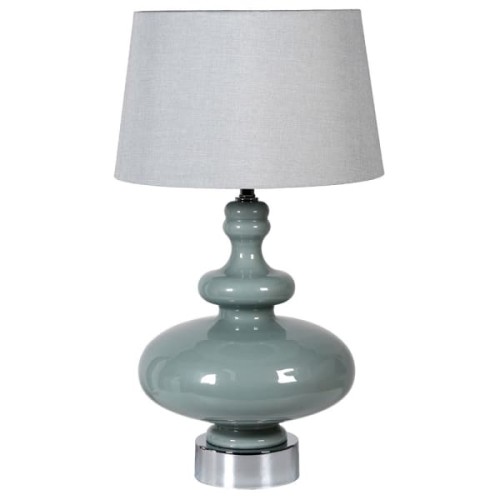
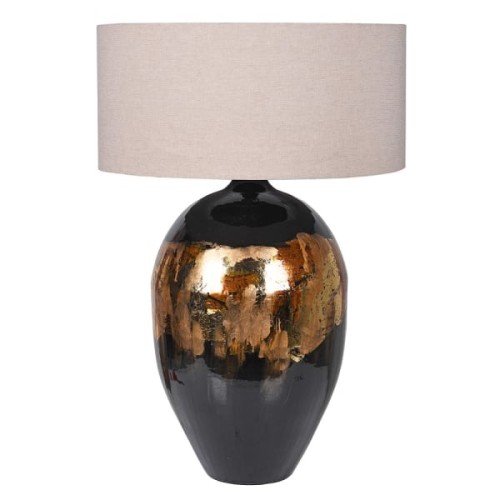

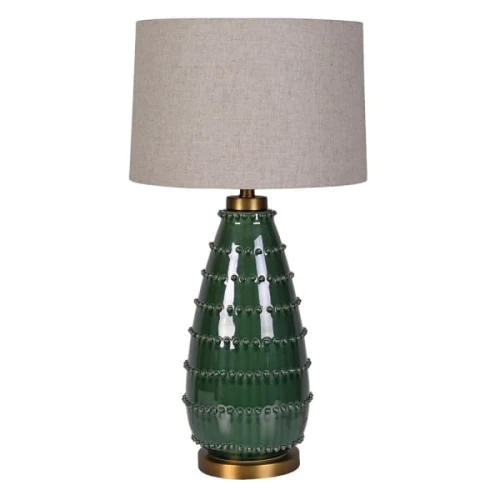
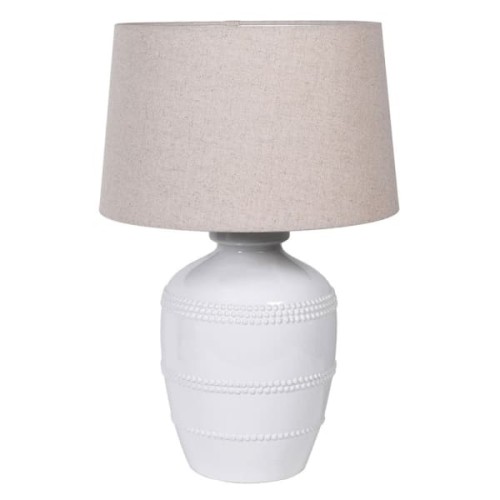

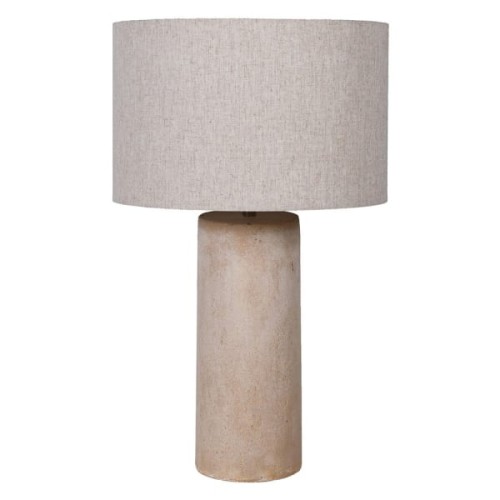
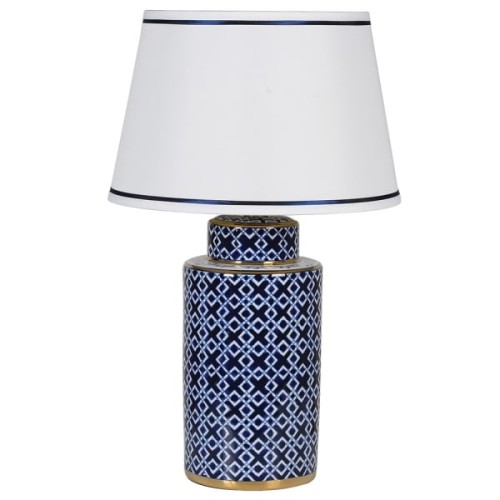
Luxury table lamps for layered, atmospheric lighting
Table lamps introduce light at a more intimate level than ceiling fittings, helping a room feel warmer, more balanced and more comfortable after dark. Positioned beside a sofa, on a console, across a sideboard or on either side of a bed, they create focused pools of light while contributing colour, texture and sculptural form to the wider interior.
The K&B London collection of luxury table lamps ranges from understated ceramic designs to large statement lamps in glass, brass, marble, wood and mixed materials. Carefully chosen proportions, finishes and shades allow each lamp to function as both a source of light and a considered decorative object.
Designer table lamps for living rooms
A table lamp can complete a living room by illuminating areas that a central ceiling light may not reach effectively. Placed on a side table beside a sofa or armchair, it creates a comfortable setting for reading and evening relaxation. Displayed on a sideboard or console, it can draw attention to artwork, mirrors, decorative objects and architectural details.
For larger rooms, use several sources of light rather than relying on one central fitting. A pair of substantial table lamps can establish symmetry at either end of a console or sideboard, while a single sculptural lamp can provide a stronger focal point in a less formal arrangement.
The size of the lamp should respond to the furniture beneath it. A small lamp may appear insignificant on a wide sideboard, whereas an oversized shade can overwhelm a narrow side table. Compare the total height, base width and shade diameter with the available surface before ordering.
Large table lamps for consoles and sideboards
Large table lamps bring height and visual presence to spacious interiors. Their proportions make them particularly effective on console tables, generous sideboards and substantial bedside cabinets, where smaller designs may look out of scale.
A large lamp can help connect the furniture with the wall above it, creating a more complete composition around a mirror, artwork or architectural feature. In an entrance hall, a substantial lamp can establish an immediate focal point. In a living room, it can balance a tall sofa, bookcase or pair of occasional chairs.
Before selecting an oversized design, check the complete dimensions rather than the base alone. The shade should not obstruct nearby doors, artwork or walkways, and the furniture must provide a stable surface with sufficient depth.
Luxury bedside table lamps
Bedside table lamps should combine comfortable illumination with proportions suited to the bed, headboard and bedside furniture. A matching pair creates a calm, symmetrical arrangement, while two related but different lamps can introduce a more individual, collected character.
Consider the position of the bulb and lower edge of the shade when sitting or reading in bed. The light should reach the intended area without creating uncomfortable glare. Opaque or fabric shades generally direct more light upwards and downwards, while glass and more open designs may distribute light more widely around the room.
In smaller bedrooms, choose a lamp that leaves enough surface space for everyday essentials. Larger bedrooms with substantial headboards and wider bedside cabinets can accommodate taller bases and more generous shades. Always confirm whether the lampshade and bulb are included by checking the individual product specification.
Ceramic and porcelain table lamps
Ceramic and porcelain bases introduce colour, pattern and tactile detail without making a room feel overly formal. Smooth glazed finishes reflect surrounding light, while ribbed, distressed and hand-textured surfaces create greater visual depth.
White and neutral ceramic lamps complement calm, layered interiors and work particularly well with linen, boucle, pale timber and natural stone. Blue and patterned porcelain designs can bring definition to classic, coastal, modern country and New York-inspired schemes.
Because variations can occur in decorative and reactive finishes, each lamp may have subtle differences in tone or surface detail. These characteristics form part of the individual appearance of the piece.
Glass table lamps for visually lighter interiors
Glass table lamps offer decorative presence without appearing visually heavy. Clear glass bases allow surrounding colours and materials to remain visible, while smoked, coloured and mercury-effect glass can produce a richer and more atmospheric finish.
Glass works particularly well on mirrored, marble, timber and metal furniture. A large glass lamp can add scale to a console or sideboard while retaining a sense of lightness, making it suitable for both traditional rooms and more contemporary open-plan interiors.
Brass, gold and black table lamps
Brass and gold finishes introduce warmth and pair naturally with marble, dark timber, glass and richly textured fabrics. A restrained brushed finish creates a softer effect, while polished or sculptural metal can give a lamp greater decorative emphasis.
Black table lamps provide stronger definition and can anchor interiors based around pale walls, neutral upholstery or natural materials. Black bases and shades are also effective in contemporary, Art Deco, industrial and modern classic schemes.
When combining several metal finishes in one room, they do not need to match exactly. A more cohesive result can be achieved by repeating the same temperature of metal or allowing one finish to remain visually dominant.
Marble and wooden table lamps
Marble table lamps have a substantial architectural quality that suits interiors centred around natural materials. Veining and tonal variation make every piece visually individual, while the weight of the stone provides a strong foundation for linen, cotton or glass shades.
Wooden table lamps introduce warmth, natural grain and a more relaxed character. Depending on their shape and finish, they can complement rustic, coastal, farmhouse, colonial, organic modern and contemporary interiors.
Both marble and timber pair particularly well with woven textiles, ceramic accessories and understated neutral palettes. Natural variations in colour, grain and veining should be expected and are part of the character of the material.
Black, white and neutral table lamps
Colour affects whether a lamp blends into the room or acts as a deliberate point of contrast. White table lamps bring visual lightness and work well in calm, tonal interiors. Cream, beige and taupe shades soften the overall effect and coordinate easily with natural stone, pale timber and neutral upholstery.
Black lamps create sharper definition, while blue, green, amber and patterned designs can repeat colours already present in artwork, rugs or upholstery. A statement colour works best when it has a clear relationship with another element in the room rather than appearing completely isolated.
How to choose a table lamp
Begin by deciding what the lamp needs to achieve. A decorative lamp on an entrance console may be selected primarily for proportion and visual impact, while a lamp beside a sofa or bed must also provide comfortable, useful illumination.
- Measure the available surface: check that the base and shade will fit without crowding the furniture.
- Consider the total height: include both the base and shade when comparing the lamp with surrounding furniture.
- Check the shade diameter: wider shades require additional clearance from walls, artwork and other objects.
- Assess the light direction: opaque shades produce a different effect from transparent glass or open fittings.
- Review the bulb specification: confirm the required cap, maximum wattage and whether the bulb is supplied.
- Check dimmer compatibility: the lamp, bulb and control must all be suitable for dimming.
- Plan access to power: consider cable routing and the position of nearby sockets before finalising placement.
- Choose between a pair and a single lamp: pairs create structure and symmetry, while one sculptural lamp produces a more informal focal point.
Creating a layered lighting scheme
Table lamps work most effectively as part of a layered lighting plan. Ceiling lights provide general illumination, while wall, floor and table-level sources introduce depth and allow the atmosphere to change throughout the day.
Combine table lighting with luxury floor lamps beside larger seating areas and luxury wall lights for softer architectural illumination. In rooms requiring a central decorative feature, explore our luxury pendant lights. The complete collection is available within luxury lighting.
Styling table lamps with furniture
The surface beneath a lamp influences how the complete composition is perceived. A sculptural lamp can add height to a console table, while a compact design brings light closer to a sofa when placed on a side table. A pair of lamps can frame a wide sideboard and create balance around artwork or a centrally positioned mirror.
Allow space around the lamp rather than surrounding it with numerous small accessories. One or two carefully chosen objects, such as a decorative bowl, sculpture or a small group of books, will usually create a more composed result.
Luxury table lighting from K&B London
K&B London offers table lamps selected for interiors in which material, proportion and finish are fundamental to the overall scheme. The collection includes quiet, timeless forms alongside more expressive designs capable of becoming a focal point in their own right.
Review the dimensions, materials, shade details and bulb requirements shown on each product page before ordering. If you are selecting lighting for a larger interior project or comparing several designs for a particular piece of furniture, our team can help you assess suitable proportions and finishes. Free delivery is available across the UK.
Frequently asked questions about table lamps
What is the difference between a table lamp and a bedside lamp?
A bedside lamp is a table lamp selected specifically for use beside a bed. It will usually have proportions and light distribution suited to reading, relaxation and convenient operation from the bedside. Many decorative table lamps can serve both purposes when their dimensions suit the bedside furniture.
What size table lamp should I choose for a living room?
The lamp should be proportionate to the side table, console or sideboard beneath it and to the surrounding furniture. Compare the total height, base width and shade diameter with the available surface. Larger rooms and substantial furniture can usually accommodate taller, wider lamps.
Should table lamps be used in pairs?
A pair of matching lamps creates symmetry and works particularly well on either side of a bed, console or wide sideboard. A single table lamp is suitable where an asymmetrical or less formal arrangement is preferred. The decision should be based on the furniture layout and the balance of the wider room.
Are lampshades included with table lamps?
Many K&B London table lamps are supplied with a shade, but this can vary between products. Check the images, description and specification on the individual product page to confirm exactly what is included.
Are bulbs included with table lamps?
Bulb inclusion varies between products. Each product page should state the required bulb type, maximum wattage and whether a bulb is supplied. Always use a bulb that complies with the stated specification.
Can table lamps be dimmed?
Some table lamps can be dimmed when fitted with a compatible dimmable bulb and suitable control. A standard on-and-off switch does not provide dimming unless the lamp has been specifically designed for this function.
How many table lamps should be used in a living room?
The number depends on the size and layout of the room. Rather than trying to illuminate the entire space from one lamp, position several light sources close to seating, reading and decorative areas. The result should provide balanced illumination without making every part of the room equally bright.
