


- Interior Design Styles & Trends
- Garden & Outdoor Living
- Luxury Home Gifts
- Furniture
- Coffee Tables
- Side Tables
- Luxury Armchairs
- Luxury Sofas
- Luxury Cabinets & Storage Furniture
- Console Tables
- Dining Tables
- Dining Chairs
- Luxury Bar Stools
- Stools, Pouffes & Benches
- Ceramic Stools
- Bedside Tables & Cabinets
- Dressing Tables
- Shelving Units & Bookcases
- Desks
- Bar Cabinets
- Bar Carts & Drinks Trolleys
- Plinths & Pedestals
- Decorative Room Dividers
- Furniture by Material
- Furniture by Room
- Luxury Home Accessories
- Luxury Lighting
- All products
- K&B London Gold Label
- New arrivals
- Sale
Why K&B? London
We select furniture, lighting and decorative pieces distinguished by sculptural form and considered finishes
Our collections are curated for cohesive interiors with individual character, far removed from mass-market design
Filters
Vendor
Price
-
from
To
Discover our collection of single side tables and occasional tables, selected as individual accent pieces for their materials, proportions and distinctive forms. From marble and natural wood to glass, metal and sculptural mixed-material designs, each table is chosen to complement a sofa, armchair or bedroom setting while introducing character without requiring a matching set.

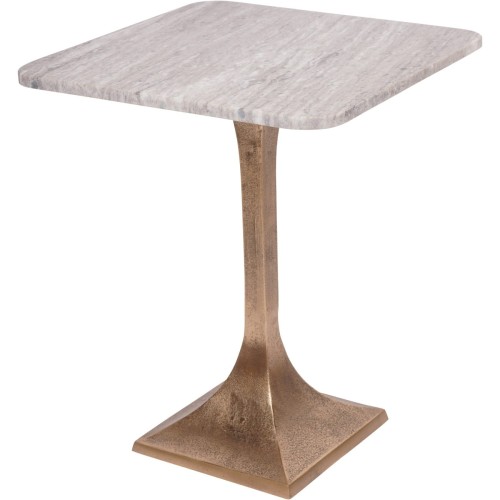 Altea Marble Side Table 44 cm – Morchino Marble Top and Antique Brass Base
£258.00


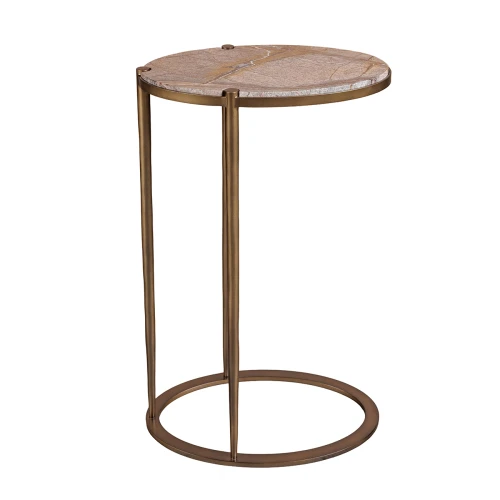
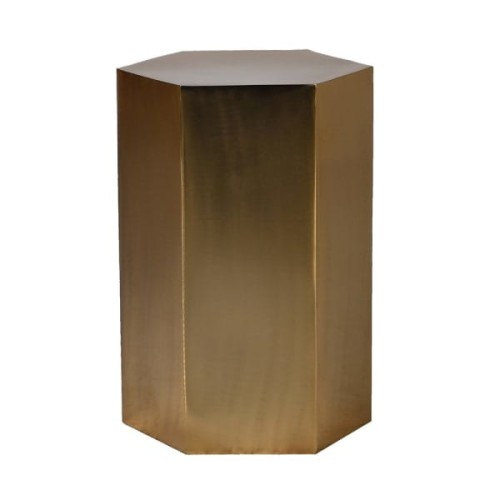


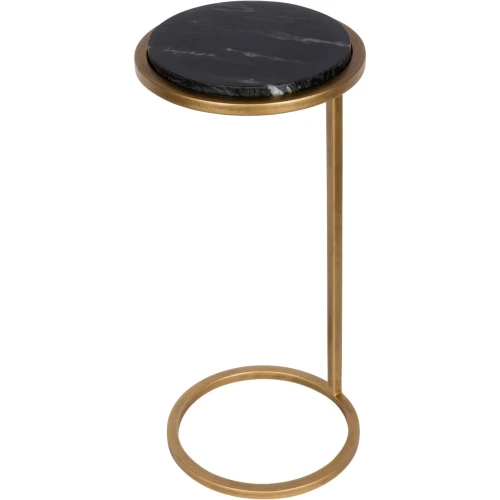 Belgrave Black Marble Side Table – 59 cm, with Black Marble Top and Gold Base
£180.00
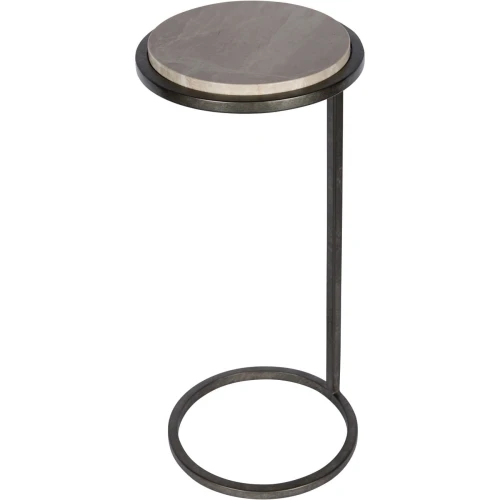 Belgrave Grey Marble Side Table 59 cm – Grey Marble with Metal Base
£180.00
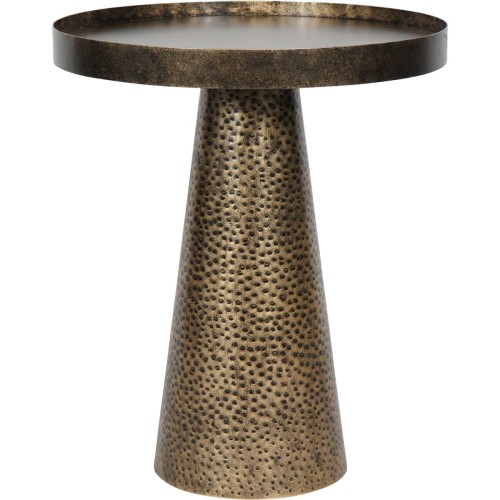
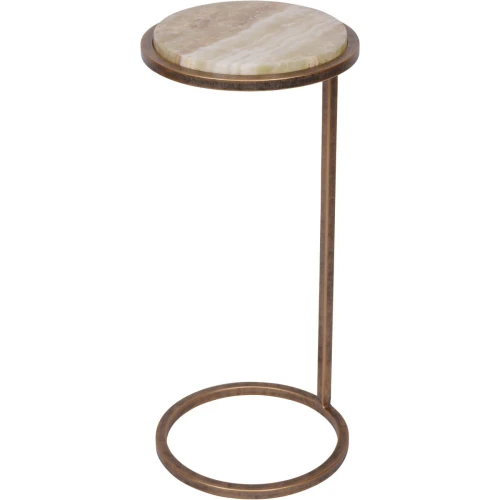

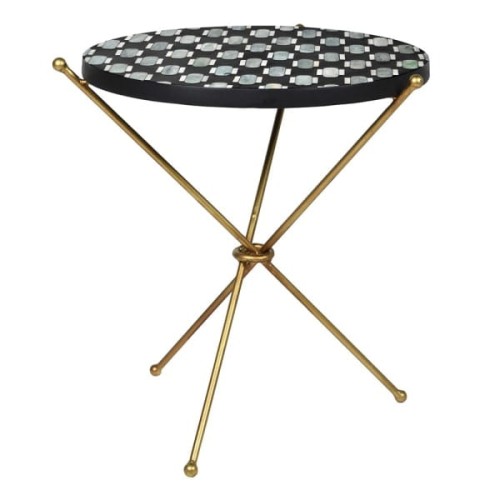
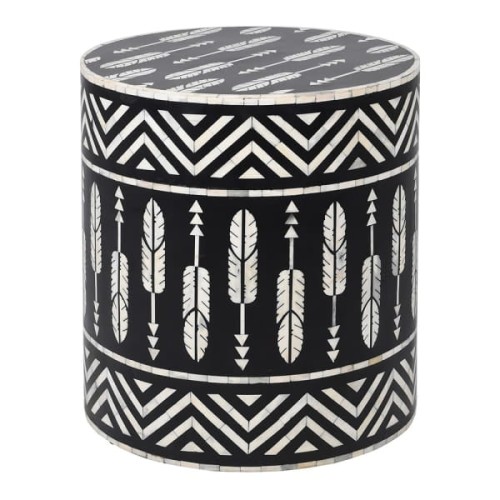


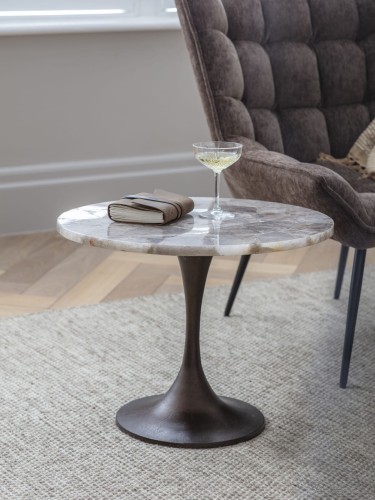
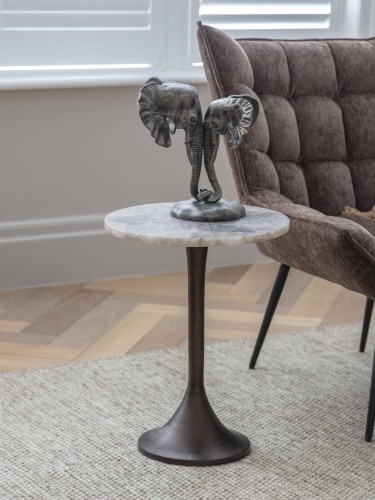 Brompton Quartz Tall Side Table 42 cm – Round Stone Top with Antique Brass Base
£330.00
Single Side Tables and Occasional Tables with Individual Character
A single side table offers the freedom to introduce one distinctive piece into an interior without committing to a matching pair or coordinated set. Positioned beside a sofa, armchair or occasional chair, it can provide a practical surface while also introducing a new material, finish or sculptural form.
At K&B London, our collection of luxury occasional tables brings together individual designs in marble, natural stone, wood, glass and metal, alongside more expressive mixed-material pieces. Each table is selected for its proportions, detailing and ability to contribute to a considered interior.
Why Choose a Single Side Table?
A single table works particularly well when one specific position requires an additional surface or when the room benefits from an individual accent rather than repetition.
Unlike matching sets, a standalone table can deliberately contrast with the surrounding furniture. A veined stone top beside a softly upholstered armchair, a dark timber table against pale seating or a fine metal structure beside a substantial sofa can create greater depth and individuality.
For coordinated pairs and multi-piece designs, explore our sets of side tables.
Choosing a Side Table for a Sofa or Armchair
Proportion should come before decoration. A side table should feel visually balanced beside the seating and remain comfortable to reach when seated.
As a general guide, the tabletop will often work best around the height of the sofa or armchair arm, or slightly below it. Diameter and width should also relate to the scale of the seating: a generous armchair can make an overly delicate table appear insignificant, while a substantial table may overwhelm more compact furniture.
Marble and Stone Occasional Tables
Natural stone can give even a relatively small side table considerable presence. Marble, agate and other stone surfaces introduce veining, tonal variation and mineral character that make each piece visually individual.
Where natural stone is used, variations in colour, pattern and surface should be expected. These differences form part of the material rather than being treated as imperfections.
Explore our dedicated collection of marble side tables.
Wooden Side Tables with Warmth and Texture
Wooden occasional tables bring warmth, grain and texture to a seating area. Lighter timbers can create a softer appearance, while darker woods and richly finished veneers provide greater contrast and visual depth.
Wood also works particularly well alongside stone, glass and metal, allowing an individual side table to connect different materials already present within the room.
Discover our wooden side tables.
Glass Side Tables with Visual Lightness
Glass allows a side table to provide surface space without introducing excessive visual weight. Clear glass keeps the structure beneath visible, while smoked and tinted finishes create greater depth and contrast.
This makes glass particularly effective beside substantial sofas or armchairs where another solid piece of furniture could make the arrangement feel overly dense.
Explore our glass side tables.
Metal Side Tables with Sculptural Definition
Metal can give a compact table anything from a restrained architectural character to a highly expressive sculptural form. Iron, aluminium and steel may be finished in black, silver, gold, antique brass or other tones, each creating a different relationship with surrounding materials.
Metal is also frequently combined with marble, glass and timber, making it particularly effective where the table needs to connect several finishes within the same interior.
Discover our metal side tables.
Round, Square and Sculptural Side Tables
Shape influences how a side table relates to the surrounding furniture. A round table softens the straight lines of sofas and cabinetry and is particularly easy to position beside an armchair.
Square designs create stronger architectural definition, while asymmetric and sculptural forms can function almost like small decorative objects within the room.
The table does not need to match the coffee table exactly. A shared material, colour or finish can create sufficient connection while allowing the individual piece to retain its own identity.
Single Side Table or Set of Tables?
A single side table creates a more deliberate individual accent. A set offers greater flexibility and can create symmetry or a layered composition through repeated forms and different heights.
Choose a single table when one additional surface is required or when you want to introduce a distinctive design without repetition. Choose a set where several coordinated surfaces are needed around the seating area.
Explore our sets of side tables for coordinated alternatives.
Using an Occasional Table as a Bedside Table
Many single side tables can also work beside a bed, particularly where a lighter or more decorative alternative to a conventional bedside cabinet is preferred.
Before choosing one for this purpose, consider the height of the mattress, the stability of the base and whether sufficient surface space is available for a lamp, book and personal items.
If concealed storage is important, explore our dedicated bedside tables and cabinets.
How to Style a Single Occasional Table
A smaller tabletop benefits from restrained styling. A table lamp, sculptural object, vase or a short stack of books is often enough to add interest without obscuring the material and form of the furniture itself.
Consider using the table to reference another feature within the room. A metallic base can connect with a lamp or mirror frame, while a marble top may echo the material of a nearby coffee table.
Occasional Tables Beyond the Living Room
Single side tables can also work in bedrooms, dressing rooms, hallways, home offices and reading areas. Their relatively compact proportions make them easy to introduce where a full-sized console or storage piece would be unnecessary.
In a hallway, an occasional table may provide space for a vase or decorative object, while in a home office it can sit beside an armchair to create a more relaxed reading or conversation area.
Create a Considered Interior with Individual Pieces
A single occasional table is most successful when it feels deliberately connected to the room rather than simply filling an empty space. Consider its scale, material and finish in relation to the surrounding furniture and allow one distinctive feature to provide contrast.
Explore our complete collection of luxury side tables, or pair your chosen design with luxury sofas and luxury armchairs for a cohesive seating arrangement.
Single Side Tables – FAQs
What is a single side table?
A single side table is an individual occasional table sold as one piece rather than as part of a matching set. It is typically positioned beside a sofa, armchair or bed to provide a compact surface and decorative accent.
What height should a side table be?
As a general guide, the tabletop should sit around the height of the sofa or chair arm, or slightly below it. The ideal height depends on the proportions of the seating and how the table will be used.
Should a side table match the coffee table?
No. Matching pieces can create a coordinated look, but a different material or shape often produces a more individual interior. A connection through colour, finish or proportion is usually enough to make the arrangement feel deliberate.
Can a single side table be used as a bedside table?
Yes, provided its height, stability and surface area suit the bed and intended use. If you need drawers or concealed storage, a dedicated bedside cabinet may be more practical.
