


- Interior Design Styles & Trends
- Garden & Outdoor Living
- Luxury Home Gifts
- Furniture
- Coffee Tables
- Side Tables
- Luxury Armchairs
- Luxury Sofas
- Luxury Cabinets & Storage Furniture
- Console Tables
- Dining Tables
- Dining Chairs
- Luxury Bar Stools
- Stools, Pouffes & Benches
- Ceramic Stools
- Bedside Tables & Cabinets
- Dressing Tables
- Shelving Units & Bookcases
- Desks
- Bar Cabinets
- Bar Carts & Drinks Trolleys
- Plinths & Pedestals
- Decorative Room Dividers
- Furniture by Material
- Furniture by Room
- Luxury Home Accessories
- Luxury Lighting
- All products
- K&B London Gold Label
- New arrivals
- Sale
Why K&B? London
We select furniture, lighting and decorative pieces distinguished by sculptural form and considered finishes
Our collections are curated for cohesive interiors with individual character, far removed from mass-market design
Filters
Price
-
from
To
Luxury dining tables from K&B London combine considered proportions, distinctive forms and materials selected for refined interiors. The collection includes round, oval, rectangular and pedestal designs crafted from natural wood, marble, glass and metal, alongside contemporary surfaces inspired by stone.

 Wanderlust II round table from Malabar 130 cm diameter brass Carrara marble top
£13,996.00

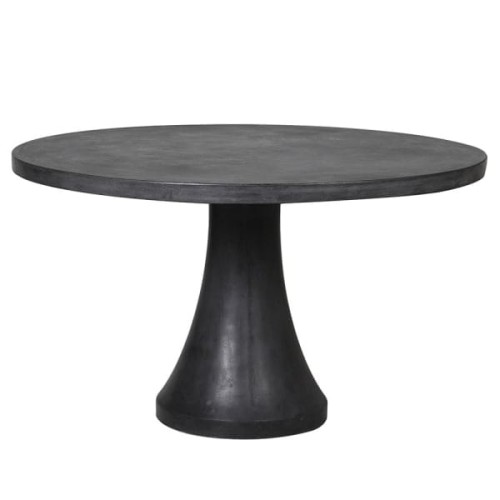
 150 cm Round Travertine Grey Dining Table – Modern Cement Pedestal Base
£3,198.00
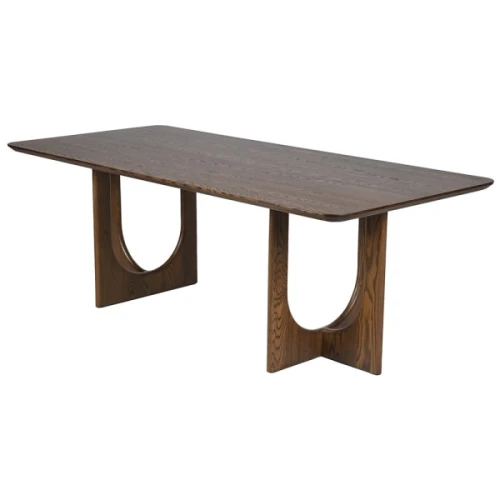
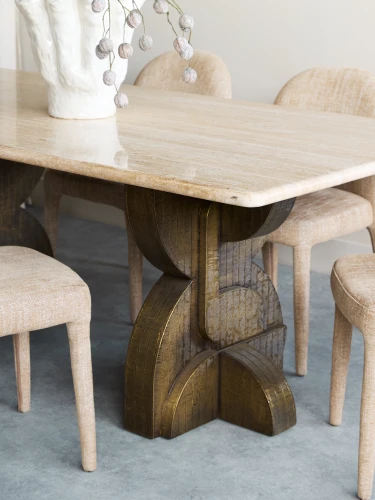 Ashford Luxury Dining Table with Natural Travertine Top, 200 × 100 cm
£3,998.00


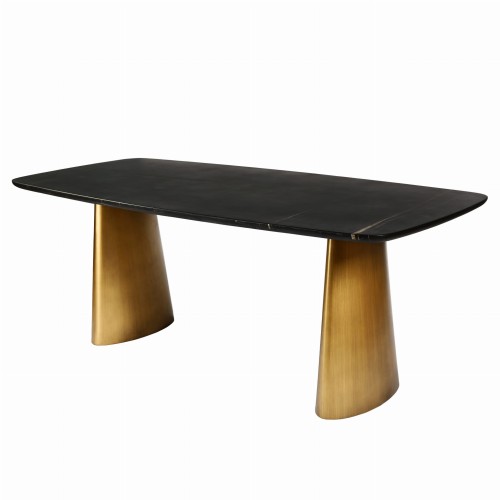 Belgrave Black Marble Dining Table 200 cm – Antique Brass Metal Legs
£2,998.00
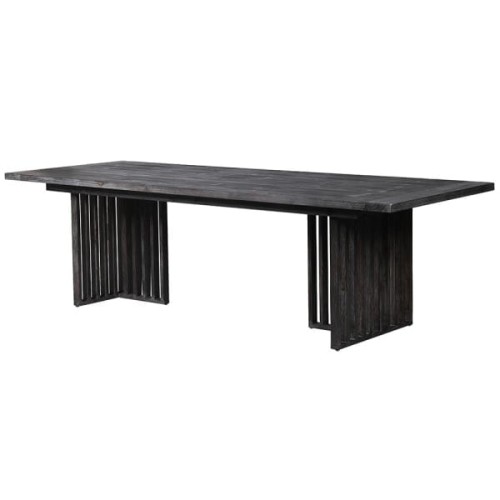
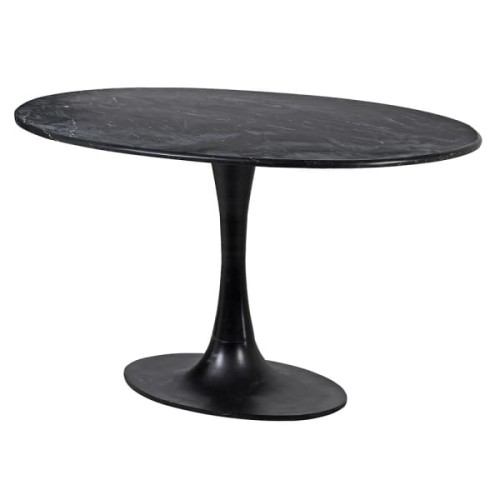
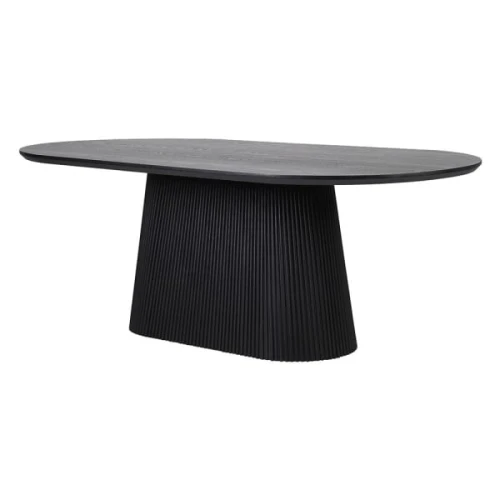
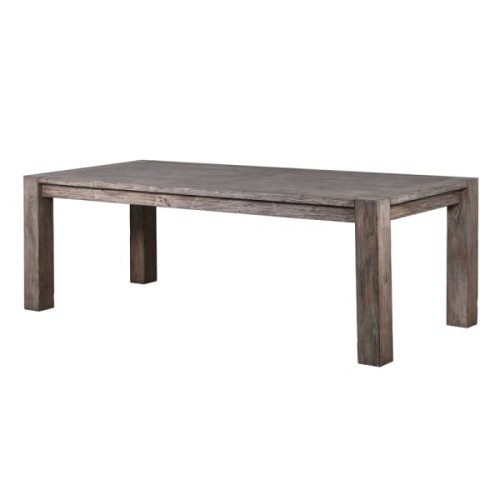
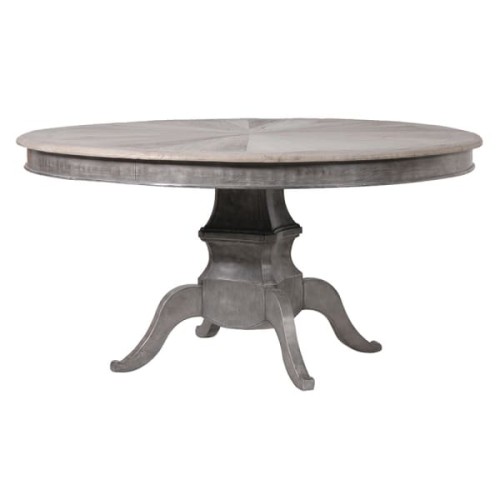

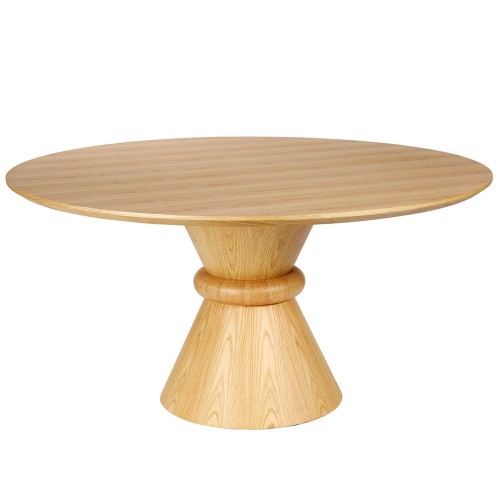 Brompton 150cm Round Dining Table – Large Wooden Table with Pedestal Base
£2,998.00
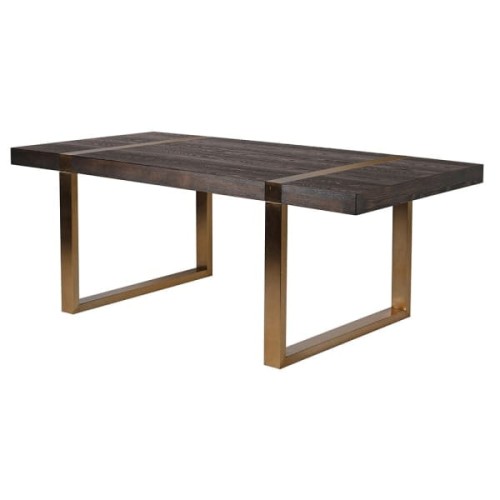 Brompton Luxury Dining Table, 198 x 96.5 cm, Dark Ash Veneer with Gold Steel Base
£1,998.00
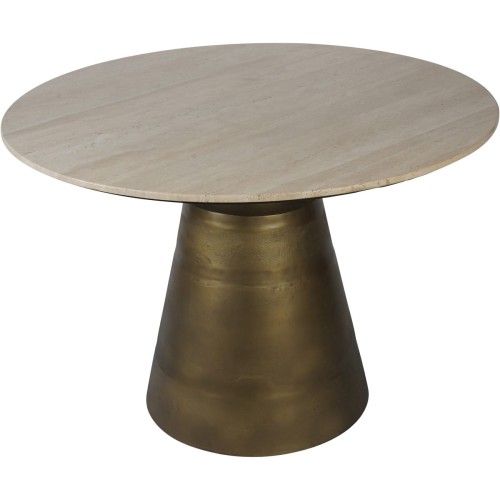 Camden Marble Dining Table 120 cm – Round Dining Table with Marble Top
£2,650.00
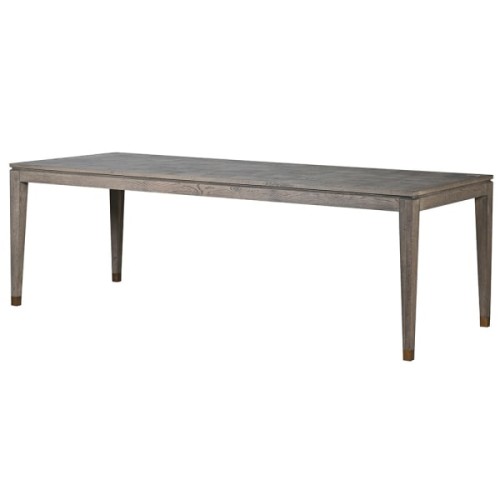
Designer dining tables with distinctive form
A dining table establishes the proportions of the room and influences how the entire space is used. Its size, tabletop shape, base construction and finish should suit both the character of the interior and the number of people who will regularly sit around it.
The K&B London collection includes designer dining tables for elegant apartments, family homes and larger open-plan interiors. The range encompasses understated designs defined by natural timber as well as more sculptural tables with substantial pedestal bases, metal detailing, glass tops and surfaces inspired by marble and travertine.
Choose a dining table by shape
Round dining tables for sociable interiors
Round dining tables create a natural setting for conversation and give everyone a similar relationship with the centre of the table. The absence of corners can make movement around the table easier, particularly in square rooms and open-plan spaces combining the kitchen, dining area and living room.
Before choosing a round table, consider not only the diameter of the top but also the full footprint once the chairs have been pulled out. On larger designs, the shape and width of the base can also affect seating capacity and legroom.
Rectangular dining tables for larger settings
Rectangular dining tables make effective use of longer rooms and provide a structured arrangement for a greater number of seats. They can define the boundary between a kitchen and living area or become the central feature of a separate formal dining room.
When selecting a large rectangular table, check the position of the legs and the construction beneath the top. These details, as well as the overall length, determine how many chairs can be placed comfortably without restricting legroom.
Oval dining tables with a softer silhouette
Oval dining tables combine the capacity of an elongated tabletop with the softer appearance of curved edges. They work particularly well in larger rooms where the table can be viewed from several directions and in interiors shaped by organic, flowing lines.
An oval top can also soften a scheme dominated by rectangular furniture, including sideboards, cabinets and fitted kitchen units.
Pedestal and extendable dining tables
Pedestal dining tables feature a central base rather than conventional corner legs. This can provide greater flexibility when arranging chairs, while the visible base often becomes one of the most important decorative elements of the design.
The shape and width of the pedestal should still be checked carefully. A particularly wide base may affect foot placement, while a sculptural design may require additional visual space around the table to be appreciated fully.
Extendable dining tables are suited to homes where the number of required seats changes depending on the occasion. A compact configuration can serve everyday dining, while the extended top provides additional room for family gatherings and entertaining.
Before ordering an extendable model, compare its closed and extended dimensions, check how the extension leaves are stored and confirm how much room will remain for chairs and circulation when the table is fully opened.
Dining table materials and finishes
Wooden dining tables
Wooden dining tables introduce natural grain, warmth and texture into the room. Depending on their form and finish, they can complement contemporary, modern farmhouse, rustic, industrial, Scandinavian and Japandi interiors.
As timber is a natural material, individual pieces may vary in grain pattern, colour and surface character. These variations should not be treated as faults; they contribute to the individual appearance of each table.
Marble and stone-inspired dining tables
Marble dining tables and designs with stone-inspired surfaces give a dining room a more architectural presence. The veining or surface pattern can become a defining feature of the scheme, allowing the surrounding furniture and accessories to remain more restrained.
Always check the material specified for the individual design and follow the relevant care guidance. Natural marble, travertine, ceramic, composite materials and marble-effect surfaces can require different approaches to cleaning and everyday use.
Glass dining tables
Glass dining tables reveal the structure of the base and can give a substantial piece of furniture a visually lighter appearance. A transparent top interacts with natural and artificial light while helping an open-plan interior retain a sense of space.
When comparing designs, consider the type and thickness of the glass, how the top is supported and the manufacturer’s guidance regarding care and maximum loading.
Dining tables with metal construction
Dining tables with metal bases can have a minimalist, industrial or more decorative character. Metal works particularly well with wood, glass and stone, introducing material contrast and giving the table a more defined architectural structure.
How to choose the right dining table size
Begin with the number of seats
As a practical starting point, allow approximately 60cm of table edge for each diner. The actual seating capacity will also depend on the width of the chairs, the position of the legs, the shape of the base and whether the chairs have arms.
- for four people, consider a round table measuring approximately 100–120cm in diameter or a rectangular table around 120–140cm long;
- for six people, consider a round table measuring approximately 120–150cm in diameter or a rectangular table around 160–180cm long;
- for eight people, a rectangular table measuring approximately 200–240cm long, or a suitably proportioned large oval or round table, may be required.
These measurements are indicative rather than absolute. Always compare the complete dimensions of the table with those of the chosen chairs before ordering.
Allow space around the table
As a useful starting point, leave approximately 90cm between the edge of the tabletop and a wall or another piece of furniture. This will generally allow a chair to be pulled out and provide room to move behind a seated person. More space may be required along a principal walkway.
Marking the outline of the table on the floor with low-tack masking tape can help you assess its scale. Add the area occupied by the chairs when pulled out and make sure the remaining routes through the room still feel comfortable.
Check chair height and construction
There should be sufficient space between the chair seat and the underside of the tabletop or table apron. Approximately 25–30cm is often used as an initial guide, although comfort will also depend on the construction of both pieces.
For dining chairs with arms, check whether the arms can pass beneath the table and whether they will come into contact with the legs, apron or central pedestal.
Creating a considered dining room scheme
The dining table and chairs do not need to come from the same collection. A more individual interior can be created by combining different forms while maintaining a relationship between the materials, colours or proportions. A substantial wooden table can be balanced with upholstered seating, while a sculptural pedestal and expressive tabletop may work best with chairs of a quieter design.
A complete dining area can be complemented by a sideboard for tableware and glassware, together with appropriately scaled pendant lighting or a statement chandelier positioned above the table. Explore the wider dining room furniture collection to coordinate seating, storage and complementary pieces.
Frequently asked questions
What size dining table do I need for six people?
A rectangular table measuring approximately 160–180cm long or a round table around 120–150cm in diameter may accommodate six people. The precise capacity depends on chair width, leg position and the shape of the base, so always check the dimensions of the specific products.
Does a round dining table take up less space?
Not necessarily. The absence of corners can make movement easier, but a large round tabletop requires sufficient clearance on every side. The best option depends on the proportions of the room, the number of seats and the construction of the base.
How much space should I leave around a dining table?
Approximately 90cm from the edge of the tabletop is a useful starting point. This will generally provide enough room to pull out a chair and move behind a seated person. A wider clearance may be required along frequently used walkways.
How can I check how many chairs will fit around a table?
Compare the length or circumference of the tabletop with the width of each chair, then account for the table legs, central pedestal, apron and any chair arms. The size of the top alone does not guarantee a particular number of comfortable seats.
Can I pair a wooden dining table with upholstered chairs?
Yes. Wood and upholstery create a balanced material combination, bringing together the texture of the table and the softness of the seating. A cohesive scheme can be created through a recurring colour, timber tone or related design line.
